
Estimated Read Time: 8–10 minutes
Summary:
Skin conditions such as acne, rosacea, hyperpigmentation, scarring, and stretch marks may often require individualized care due to differences in skin type, sensitivity, and medication response. In some cases, prescribers may explore customized topical formulations when specific ingredient combinations, strengths, or delivery systems are not available commercially. Compounded dermatologic preparations allow for this level of adjustment under the direction of a licensed provider.
Alongside prescription therapies, structured daily skincare may play a supportive role. Barrier-focused and hydrating products may enhance comfort, support skin resilience, and help sustain improvements over time as part of a consistent routine.
Skin conditions such as acne, rosacea, scarring, stretch marks, and hyperpigmentation often vary in severity, triggers, and response to therapy from patient to patient. For dermatologists seeking formulation flexibility, dermatology compounding allows precise customization aligned with patient-specific care plans.
Local and family-owned, Morgan Compounding Pharmacy has been serving the community since 1985. We work directly with prescribers to prepare patient-specific dermatologic formulations based on clinical judgment and individual patient needs.
All custom dermatology medications are prepared based on a valid prescription and dispensed in accordance with applicable state and federal regulations. In addition, compounded medications are not FDA-approved and are formulated to meet the specific needs of an individual patient as determined by a licensed prescriber.

How Skin Conditions Can Affect Daily Life
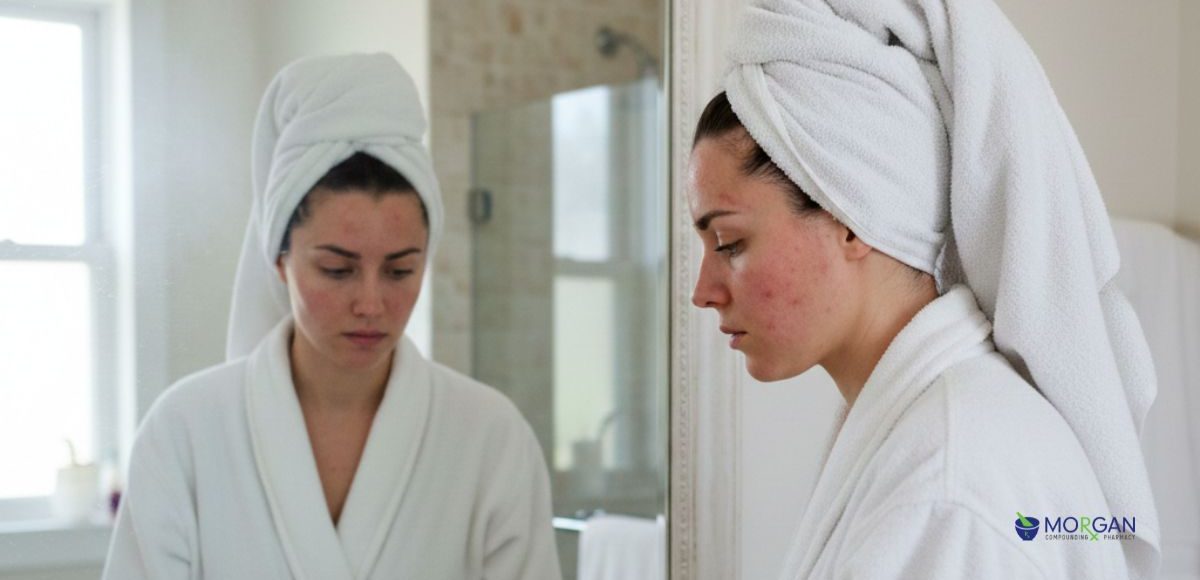
The skin is highly visible and plays an important role in comfort and appearance. Ongoing dermatologic concerns may affect both physical symptoms and emotional well-being.
Visible skin conditions may affect emotional well-being, according to the American Psychological Association. Psychological stress may contribute to certain inflammatory skin concerns. Because of this bidirectional relationship, dermatologic management is often individualized.
Although acne, rosacea, scars, stretch marks, and pigment changes differ in cause and presentation, many involve inflammation, barrier disruption, collagen changes, or pigment imbalance. As a result of this complexity, management is often individualized.
What Is Dermatology Compounding?
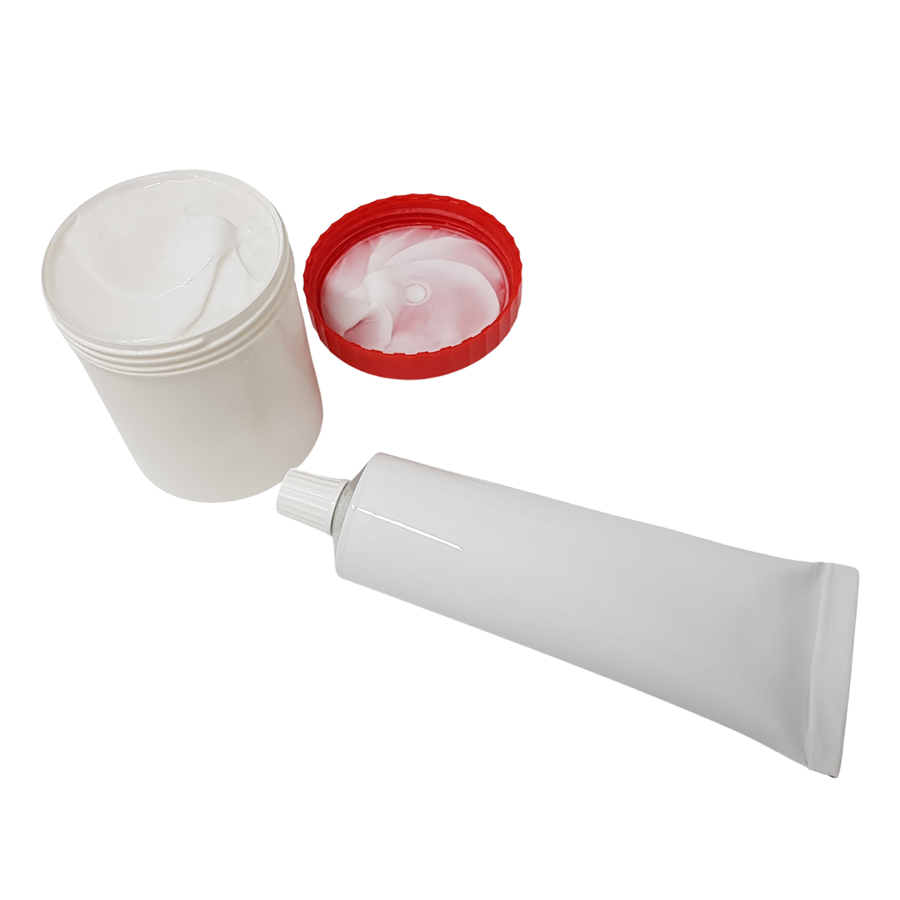
Dermatology compounding allows prescribers to request customized medications when additional formulation flexibility is clinically appropriate. With compounded prescriptions, a provider may:
- Combine multiple active ingredients into one formulation
- Adjust strengths based on patient tolerance
- Select specific bases such as cream, gel, lipoderm, occlusaderm, or solution
- Request dye- or preservative-free preparations when clinically indicated
Dermatology Compounding for Common Skin Concerns
Dermatology compounding may be considered when commercially available products do not align with a patient’s clinical needs. Morgan Compounding Pharmacy works with prescribers to prepare customized topical medications for a variety of dermatologic concerns, including:
- Acne
Prescribers may request customized formulations that combine ingredients in specific strengths to address individual skin types, tolerability considerations, and treatment goals.
- Rosacea
When patients experience sensitivity to standard products, compounded preparations may allow for adjustments in base selection or ingredient strength.
- Hyperpigmentation and Uneven Skin Tone
Compounded topical medications may be requested when ingredient combinations or concentrations are not commercially available.
- Scarring
Formulation flexibility may allow prescribers to select ingredients and delivery bases appropriate for the affected area and skin characteristics.
- Stretch Marks
Customized preparations may be considered when individualized strengths or ingredient combinations are clinically appropriate.
Ingredients Used in Dermatology Compounding Preparations
Ingredients used in custom dermatology compounding prescriptions in Georgia are selected by licensed prescribers based on clinical judgment, available research, and patient-specific considerations.
- Acetyl Dipeptide
Studied for its potential role in calming reactive skin. - Ascorbic Acid (Vitamin C)
An antioxidant researched for supporting collagen function and protection against oxidative stress. - Beta Glucan
A polysaccharide studied for hydration support and barrier function. - CoQ10 (Ubiquinone)
An antioxidant researched for its role in oxidative balance and structural support of the skin. - Hyaluronic Acid
A humectant that helps attract and retain moisture in the skin. - Palmitoyl Pentapeptide (Matrixyl)
A peptide studied for involvement in collagen signaling pathways. - Phytic Acid
An antioxidant researched for its role in pigment regulation. - Retinol
A vitamin A derivative sometimes incorporated into customized dermatologic preparations under provider supervision. - Tretinoin
A prescription retinoid widely studied in dermatology. In compounded tretinoin cream and other formulations, strengths and ingredient combinations are determined by the prescriber.
When Might a Compounded Dermatologic Preparation Be Considered?
A prescriber may consider a compounded topical medication when:
- A specific ingredient combination is not commercially available
- Standard strengths require adjustment
- A patient has sensitivities to certain inactive ingredients
- Consolidation into a single preparation is clinically appropriate
Dermatology Compounding Services in Georgia
Morgan Compounding Pharmacy provides a structured Prescription Order Form designed for dermatology practices throughout Georgia.
How It Works
- Download or Request Access to the Form
Simply request access, and our team will provide a password for you to access all the different Rx Order Forms.
- Fill in Patient & Prescriber Information
- Patient name, date of birth, allergies, and contact info
- Prescriber name, DEA, NPI, and clinic contact details. This ensures proper documentation and traceability.
- Choose the Appropriate Medication Category
- Skin Lightening
- Rosacea
- Acne
- Scars
- Stretch Marks
- Warts
- Psoriasis & Eczema
- Check the Desired Formulation
- Simply check the box next to your preferred compound. Options are available in compounded topical creams, gel, lipoderm, occlusaderm, and solution. Customize strengths and other options.
- Prescriber Authorization
- Initial and sign the form to indicate clinical necessity. This meets Georgia compounding law requirements and supports your patient’s chart documentation.
- Submit by Fax or Email
- Fax: (770) 809-5048
- Email: pharmacist@morgancompounding.com
For patients, ask our pharmacists any questions about compounding medications.
Our Compounding Process
Our dermatology compounding process follows a structured protocol to support prescribers and patients:
- Prescription Review
Each prescription is reviewed by a licensed pharmacist to verify formulation details, ingredient compatibility, and compounding requirements. - Ingredient Preparation
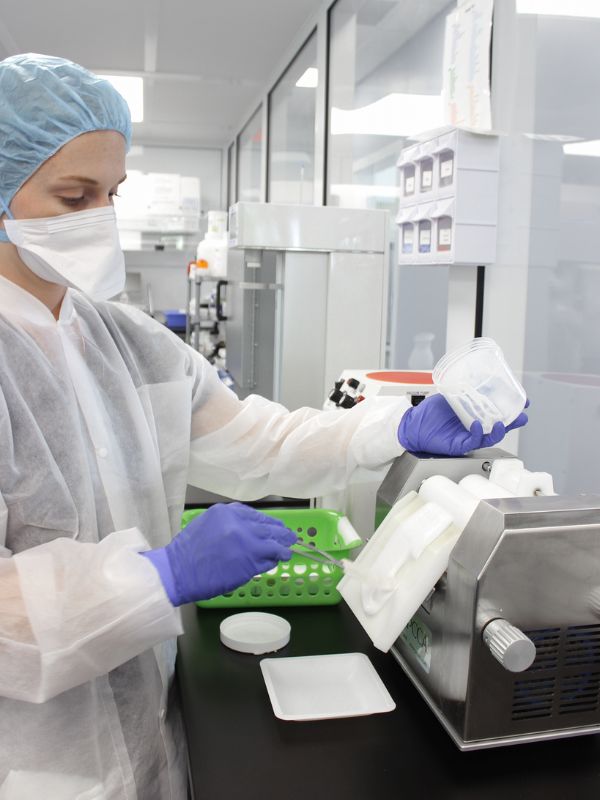
Pharmaceutical-grade ingredients are weighed, measured, and prepared in accordance with applicable professional standards and regulatory guidelines. - Compounding and Quality Procedures
Medications are compounded using calibrated equipment in controlled laboratory environments, following established quality and documentation protocols. - Final Verification
Completed preparations undergo pharmacist verification prior to dispensing. - Patient Communication
When appropriate, our team contacts patients to review directions, storage instructions, and answer questions regarding their compounded medication.
This structured process supports accuracy, quality assurance, and professional collaboration throughout the prescribing and dispensing experience of physician-directed dermatology compounds.
FAQs About Dermatology Compounding in Georgia
Is dermatology compounding FDA-approved?
No. Medications prepared through dermatology compounding are not FDA-approved. Compounding pharmacists create medications pursuant to a valid prescription to meet the specific needs of an individual patient.
In Georgia, Morgan Compounding prepares compounded medications in accordance with applicable state and federal regulations.
When might a dermatologist use dermatology compounding?
A dermatologist may consider dermatology compounding when additional formulation flexibility is clinically appropriate.
- A specific ingredient combination is not commercially available
- Standard strengths require adjustment
- A patient has sensitivities to inactive ingredients
- Consolidating multiple medications into one topical preparation is appropriate
Can pharmacists combine multiple ingredients into one compounded topical cream?
Yes. Dermatology compounding allows prescribers to combine multiple active ingredients into a single customized formulation when clinically appropriate.
For example, a provider may request a compounded topical cream with adjusted strengths or a specific delivery base to align with individualized care planning.
Is dermatology compounding available in Atlanta and throughout Georgia?
Yes. Morgan Compounding provides dermatology compounding services for practices in Atlanta, Alpharetta, Roswell, Sandy Springs, and communities across Georgia.
Prescribers may submit customized dermatology prescriptions using our structured order forms and pharmacist consultation process.
How do prescribers order custom dermatology medications in Georgia?
Prescribers may download or request access to the Dermatology Rx Order Form.
After completing patient and prescriber information, selecting the appropriate medication category, and indicating formulation preferences, the form may be submitted by fax or secure email.
Can patients request dermatology compounding directly?
Compounded dermatology medications are available by prescription only. Patients should speak with their dermatologist or licensed healthcare provider to determine whether dermatology compounding may be appropriate for their individual care plan.
Over-the-Counter Dermatology Solutions from Morgan Compounding Pharmacy
At Morgan Compounding Pharmacy, we understand that healthy skin isn’t achieved with prescriptions alone — it’s maintained through consistent daily care. While customized prescription therapies may be explored for addressing specific conditions, over-the-counter (OTC) formulations play a critical role in maintenance, prevention, and long-term skin health.
Daily Maintenance & Skincare Support
Many dermatologic conditions — such as acne, rosacea, melasma, eczema, and signs of aging — require prescription medications to bring symptoms under control. However, once improvement is achieved, maintenance becomes key. That’s where thoughtfully formulated OTC products may make a meaningful difference.
Foundation for Daily Skincare Routines
Our OTC products are ideal for:
- Morning and evening skincare routines
- Long-term maintenance after prescription therapy
- Supporting skin barrier health
- Preventing flare-ups
- Enhancing overall skin resilience
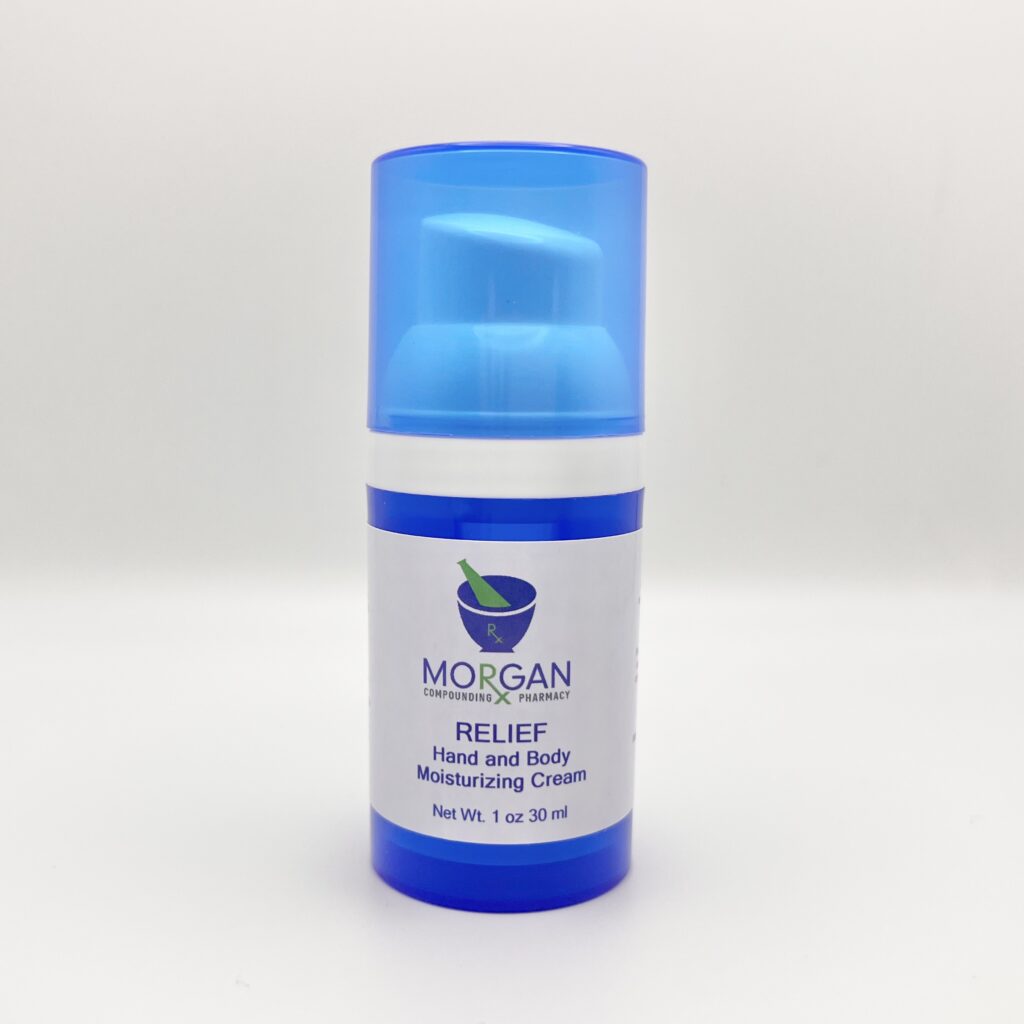
Relief Moisturizing Cream
Perfect for daily use, this deeply hydrating cream supports the skin barrier and reduces dryness. May be especially beneficial for patients using retinoids, benzoyl peroxide, or other prescription medications that may cause irritation. Many patients continue using it long-term — even after completing prescription therapy — to maintain hydration and comfort.
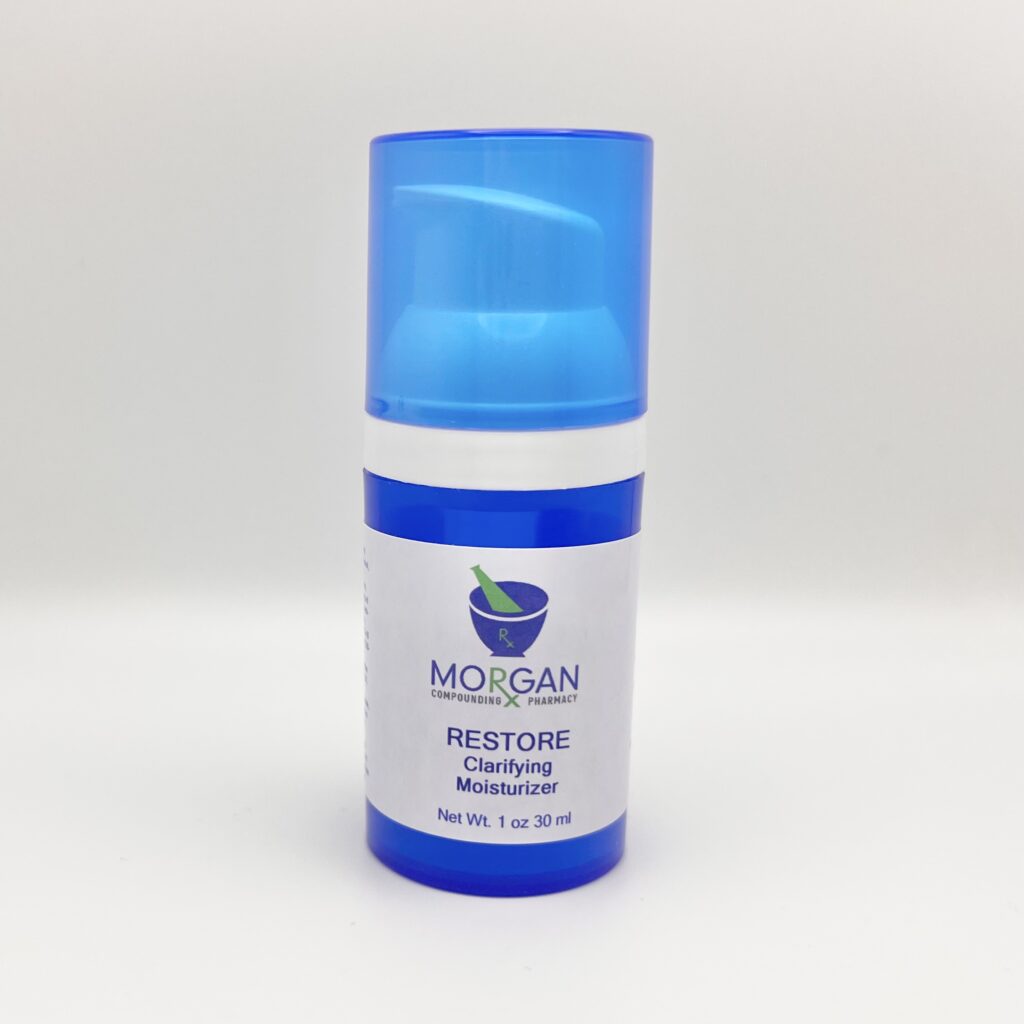
Restore Clarify Moisturizer
Designed for acne-prone or combination skin, this lightweight moisturizer balances hydration without clogging pores. It works well as a daily moisturizer in both active acne therapy plans and maintenance regimens once breakouts are controlled.
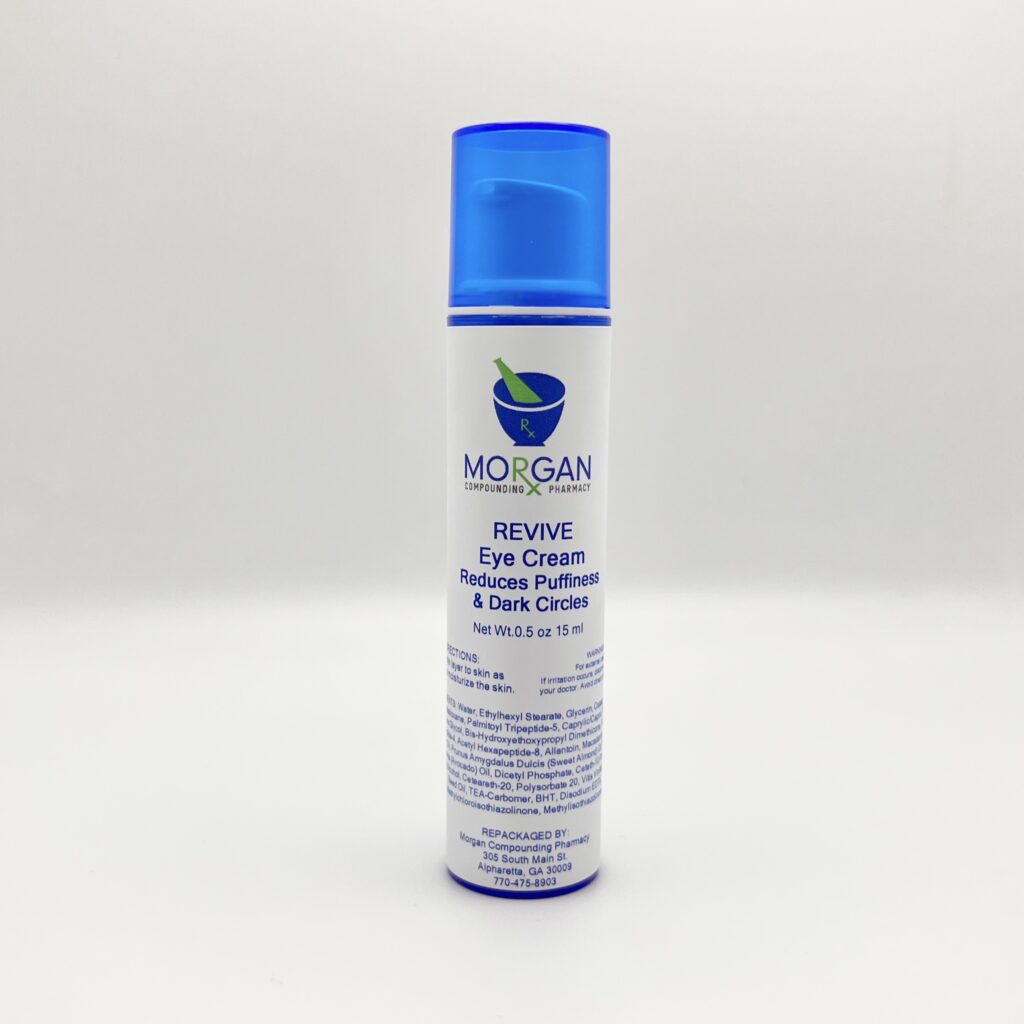
Revive Under Eye Cream
Addition this to a morning or nighttime routine. This product supports the delicate under-eye area and can be used consistently for maintenance and prevention of visible aging concerns.
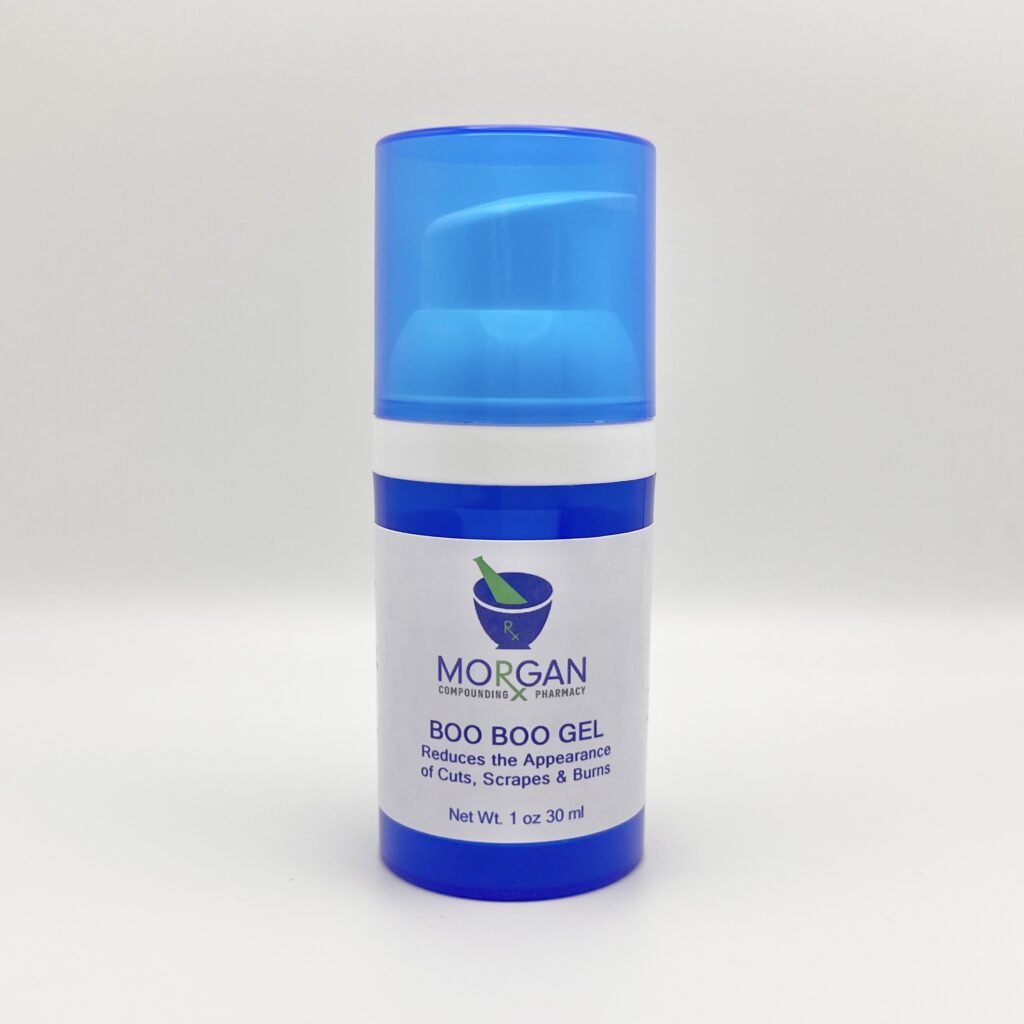
Boo Boo Gel
A versatile addition to any skincare routine, this soothing gel can be used as needed for minor irritations, redness, or environmental skin stress.
Skin Renewal & Repair
SPECIALLY FORMULATED OVER-THE-COUNTER
How OTC Products Complement Prescription Medications
Prescription dermatologic medications often work best when paired with supportive skincare. Incorporating maintenance OTC products may:
Improve Tolerability
Hydrating and soothing formulations help reduce dryness and irritation, increasing comfort and encouraging adherence to prescribed regimens.
Strengthen the Skin Barrier
A healthy barrier helps improves outcomes. Daily moisturization minimizes inflammation and reduces transepidermal water loss.
Transition from Medication to Maintenance
Once a condition is stabilized with prescription therapy, OTC products help maintain results and reduce the likelihood of recurrence.
Support Post-Procedure Recovery
After dermatologic procedures such as peels, microneedling, or laser therapies, gentle OTC formulations can be used daily to calm and protect the skin while prescription healing agents address deeper concerns.
A Comprehensive, Customized Approach
At Morgan Compounding Pharmacy, we work closely with prescribers to develop customized prescription therapies tailored to each patient. Our OTC dermatology line is designed to integrate seamlessly into those care plans — supporting active medication phases and sustaining results through daily maintenance.
By combining personalized compounded prescriptions with structured daily skincare routines, patients can achieve:
- Better long-term control of skin conditions
- Improved comfort and adherence
- Stronger skin barrier function
- Healthier, more resilient skin over time
Dermatologic care doesn’t end when a prescription is filled — it continues every day at home. Our team stays ready to help patients and providers build comprehensive skincare strategies that support both medication and maintenance for lasting results.
Partner With a Georgia Dermatology Compounding Pharmacy for Customized Solutions
Dermatologic conditions often require individualized therapeutic planning. When formulation flexibility is clinically appropriate, dermatology compounding provides prescribers with additional formulation and dosing customization options.
For Patients:
Compounded medications are available by prescription. Speak with your healthcare provider to determine whether customized dermatologic formulations may be appropriate for you.
For Prescribers:
Morgan Compounding Pharmacy collaborates directly with Georgia medical practices to streamline custom dermatology prescribing and ordering processes.
Download the Dermatology Rx Order Form or call us to connect with a pharmacist and discuss your formulation needs.
References
- Ebrahim, M. R. Y., Darwish, H. M. A., & Galal, S. A. (2024). Efficacy of dermapen combined with topical insulin versus dermapen combined with topical hyaluronic acid in treatment of stretch marks: comparative study. Archives of Dermatological Research, 317(1), 54. Link
- Edison, B., Feng, L., Singh, S., Guerrero, R., Parsa, R., Patel, R., Dufort, M., & Green, B. (2024). A new Peptide Skin-Brightening facial cream demonstrated clinical improvement in jawline sagging, discoloration and overall photodamage. SKIN the Journal of Cutaneous Medicine, 8(2), s398. Link
- Feng, X., Shang, J., Wang, Y., Chen, Y., & Liu, Y. (2025). Exploring the properties and application potential of Β‐Glucan in skin care. Food Science & Nutrition, 13(4), e70212. Link
- Hujoel, P. P., & La Hujoel, M. (2021). Vitamin C and scar strength: analysis of a historical trial and implications for collagen-related pathologies. American Journal of Clinical Nutrition, 115(1), 8–17. Link
- Schlesinger, T., & Powell. (2012). Efficacy and tolerability of low molecular weight Hyaluronic acid sodium salt 0.2% cream in rosacea. Europe PMC. Link
- Schoelermann, A., Jung, K., Buck, B., Grönniger, E., & Conzelmann, S. (2016). Comparison of skin calming effects of cosmetic products containing 4‐t‐butylcyclohexanol or acetyl dipeptide‐1 cetyl ester on capsaicin‐induced facial stinging in volunteers with sensitive skin. Journal of the European Academy of Dermatology and Venereology, 30(S1), 18–20. Link
- Shah, S., Patel, S., Jang, A., Patel, S., & Lio, P. (2023). Naturally occurring antioxidants for treating rosacea. Journal of Integrative Dermatology. Link
- The link between skin and psychology. (2015). American Psychological Association. Link
- The role of Coenzyme Q10 in skin aging | JCAD – The Journal of Clinical and Aesthetic Dermatology. (n.d.-b). JCAD – the Journal of Clinical and Aesthetic Dermatology. Link