
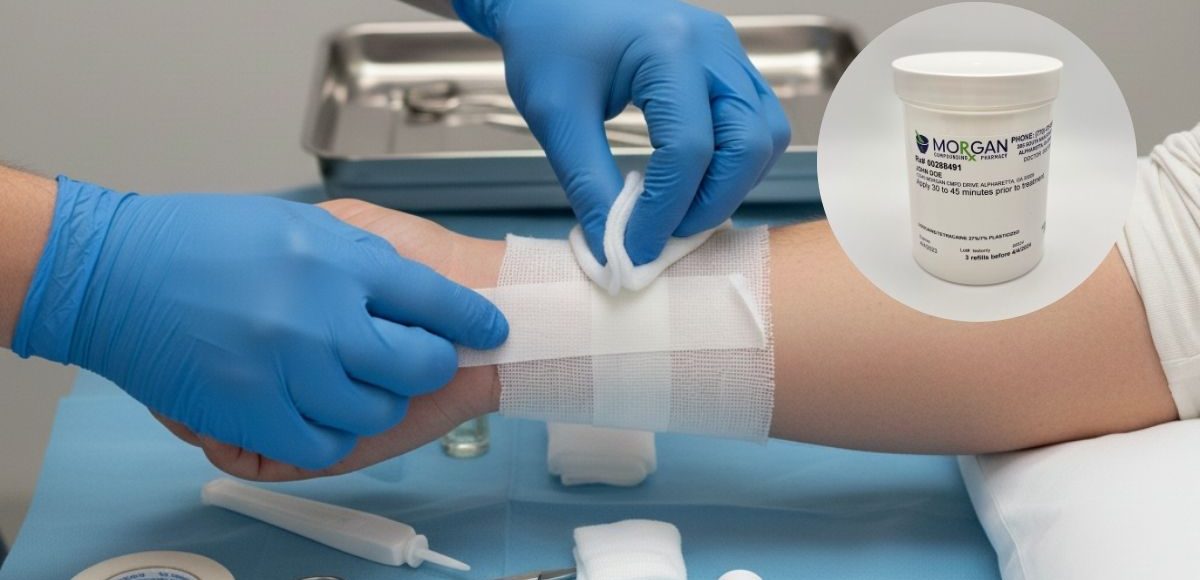
Every Wound Has Its Own Story
Every wound has a story — from a small scrape to a deep surgical cut — each deserves careful attention to prevent infection and encourage recovery. Across Georgia, wound care specialists go beyond generic ointments, using precisely prescribed topical antimicrobials and corticosteroids. When standard care plans aren’t enough, they may collaborate with a wound care compounding pharmacy to prepare medications suited to the wound’s type, sensitivity, and stage of healing.
Wound care is more than surface management. Each break in the skin opens a path for germs, making accurate assessment and infection control essential. Topical medications such as antimicrobial creams and corticosteroids may help lower bacterial load, ease inflammation, and maintain a clean environment for recovery. Thus, partnering with a wound care compounding pharmacy allows providers to personalize these therapies, helping each wound heal with the attention it truly needs.
Common Topical Antimicrobials and Corticosteroids in Wound Care
Each wound may respond differently, and the medications used often reflect that. Below are some of the topical options wound care specialists may turn to when helping patients heal — from antimicrobial creams that may help keep wounds clean to corticosteroids that may ease inflammation and irritation.
Together, these examples show how thoughtful selection and compounding may make wound care more precise and personal.

Mupirocin
A topical antibacterial often chosen for localized skin infections.
When someone develops that familiar crusted skin infection around the mouth or nose known as impetigo, mupirocin may help reduce the size of visible lesions and support a cleaner surface as the skin recovers.

Metronidazole
An antimicrobial known for its strong activity against anaerobic bacteria, making it valuable in wound care situations involving odor.
In chronic wounds that produce an unpleasant smell, metronidazole may help control odor-causing bacteria, enhancing comfort and contributing to a better quality of life.
Vancomycin
A glycopeptide antibiotic often reserved for addressing resistant bacteria.
Following high-risk procedures, vancomycin may be used by specialists to help reduce infection risk, particularly when resistant microbes are a concern at the surgical site.
Ciprofloxacin
A fluoroquinolone antibiotic recognized for broad-spectrum bacterial coverage.
In slow-healing wounds, ciprofloxacin may help decrease bacterial contamination and stabilize inflammation, supporting the body’s natural repair process.
Doxycycline
A tetracycline derivative valued for its antibacterial and anti-inflammatory effects.
When inflammation interferes with recovery, doxycycline may help calm the wound environment and promote conditions more favorable for tissue rebuilding.
Clindamycin
A lincosamide antibiotic commonly used in dermatology and wound management.
For individuals managing the recurring skin condition hidradenitis suppurativa (HS), clindamycin may help reduce bacterial involvement and the severity of lesions when combined with proper wound care.
Aloe Vera
A natural plant extract known for its cooling and hydrating effects on the skin.
For mild burns or surface irritation, aloe vera may soothe the skin and support gentle recovery by maintaining a hydrated environment conducive to healing.
Betamethasone
A corticosteroid used to manage redness, swelling, and irritation from skin inflammation.
When the skin surrounding a wound becomes itchy or inflamed, betamethasone may help calm the area, making it easier to maintain wound care and comfort during healing.
Why Compounded Medications Are Used in Wound Care
Not every wound responds the same way to standard medications. In certain cases, a wound care compounding pharmacy may make all the difference by preparing customized formulations that fit the wound’s specific characteristics — such as depth, moisture level, and skin sensitivity. These individualized preparations may combine several active ingredients or adjust their concentration and base to better support healing.
Across Georgia, infectious disease physicians and wound care specialists often work closely with pharmacists to ensure each compounded formulation complements the overall management plan. This collaboration allows for more targeted, comfortable care — helping address infection, reduce inflammation, and support recovery.
Healthcare providers who may prescribe compounded medications for wound management include:
- Infectious Disease Specialists – help prevent and manage wound infections, especially when bacteria make healing more difficult.
- Surgeons and Plastic Surgeons – care for surgical and post-operative wounds, often using customized approaches to support healing after procedures.
- Dermatologists – focus on skin health and help manage inflammation or ulcers that may delay recovery.
- Podiatrists – care for wounds on the feet and lower legs, especially those related to diabetes or pressure.
- Primary Care Physicians and Nurse Practitioners – help coordinate overall wound care and make sure patients stay on track with follow-ups and proper management.
- Long-Term Care and Home Health Providers – assist patients who need ongoing wound care or daily support during recovery at home or in assisted living.
Georgia’s Trusted Wound Care Compounding Pharmacy
At Morgan Compounding Pharmacy, we understand that healing looks different for everyone — and medication should reflect that. Standard prescriptions may not always meet the unique requirements of each patient, which is why we craft compounded formulations designed around individual needs and recovery goals.
In wound care, our pharmacists partner with healthcare providers to prepare custom topical medications that may help manage infection, reduce inflammation, and improve comfort throughout the healing process. Every formulation is made with care and precision, ensuring it aligns with the provider’s plan and the patient’s sensitivities for a truly personalized approach to recovery.
How We Support Individualized Care
We tailor prescriptions to fit each person. Our team adjusts dosage forms, strengths, and ingredient combinations so every formulation supports the individual’s health profile and response to medications.
- We craft allergy-friendly compounds. Our preparations exclude unnecessary binders and other elements to help patients avoid irritation and feel more comfortable using their medication.
- We reproduce discontinued medications. When commercial manufacturers stop producing certain drugs, we re-create these prescriptions to serve patients who need them.
- We provide extra support through our Replete Program. This exclusive service pairs your prescribed medications with the supplements or vitamins that help restore balance to the body, supporting recovery from the inside out.
How We Work with Providers
- Collaborative Prescriptions – providers share information about the wound’s characteristics, sensitivities, or dosage preferences, allowing us to design a formulation that fits their care approach.
- Custom Preparation – we produce topical creams, gels, and ointments precisely as prescribed, maintaining high standards for accuracy and safety.
- Ongoing Support – we remain available to both patients and prescribers for follow-ups and adjustments, helping ensure each compounded drug continues to meet comfort and care goals.
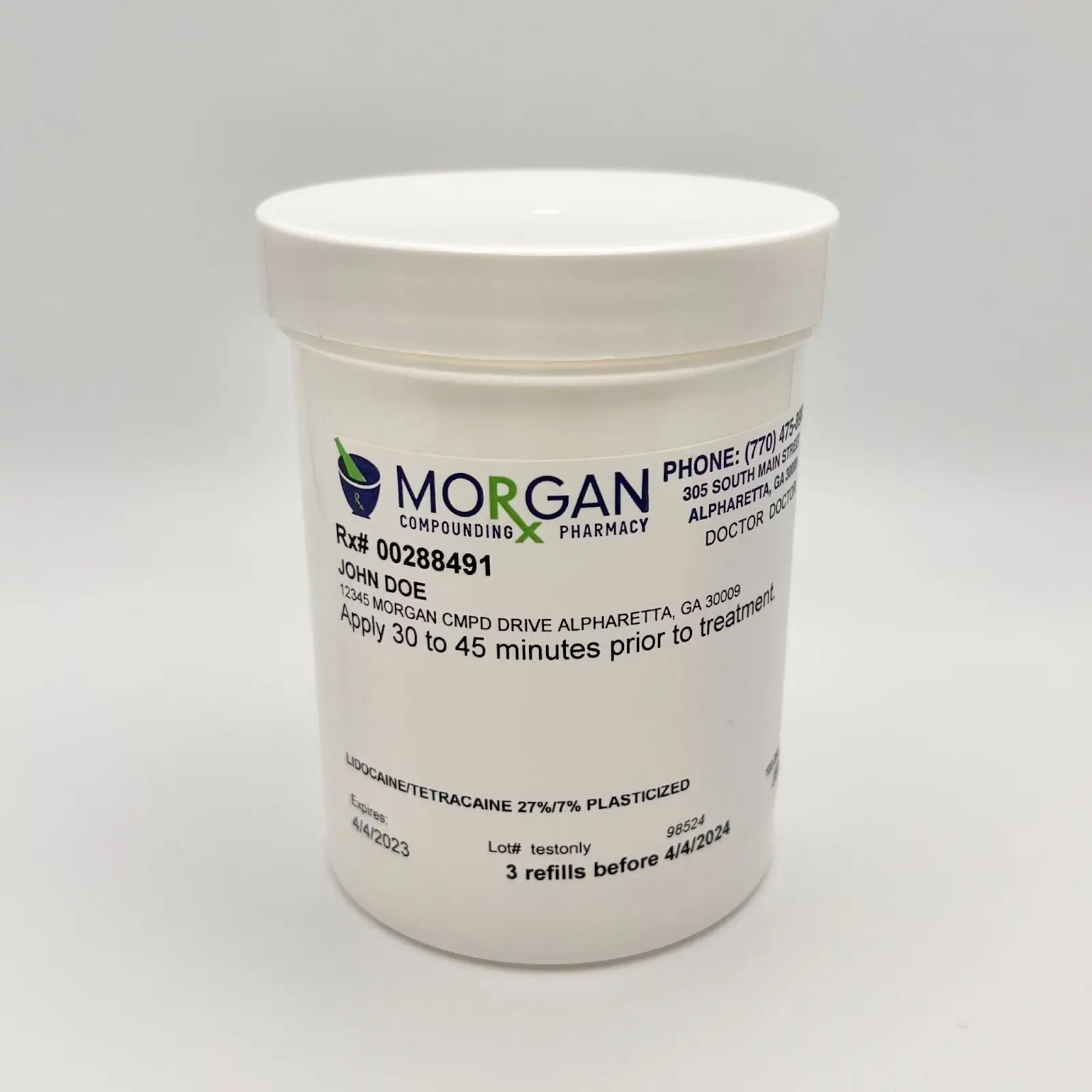
How to Use the Morgan Compounding Pharmacy Rx Order Forms (For Georgia Prescribers)
Morgan Compounding Pharmacy in Alpharetta, Georgia, offers a pre-structured Dermatology Rx Order Form for dermatologists and other wound care specialists.
Step-by-Step Instructions
- Request Access to the Rx Form
Request access from our team, and we’ll provide a password to download available prescription order forms. The Dermatology Rx Order Form allows Georgia dermatologists and other wound care specialists to prescribe compounded medications for their patients. - Complete Patient and Prescriber Information
Provide all required details:- Patient: Full name, date of birth, allergies, and contact information.
- Prescriber: Name, DEA and NPI numbers, and clinic contact information. This supports accurate record-keeping and traceability.
- Select Wound Care Options, Combinations
Select the base:- Poloxamer topical gel
- Anhydrous silicone topical gel
- White petrolatum topical ointment
- More!
Select Active Pharmaceutical Ingredient (API) from list or write in your own. Choose one or multiple.
- Prescriber Authorization
Review and authorize the prescription by initialing and signing the form. This confirms clinical necessity and ensures the compounded medication aligns with Georgia compounding law and patient chart documentation. - Submit the Completed Form
Fax: (770) 809-5048
Email: pharmacist@morgancompounding.com
Once received, the Morgan Compounding Pharmacy team will process the prescription promptly. Our pharmacists will contact you in case any clinical or regulatory concerns occur.
Let’s Support Healing, Together
If you’re a provider seeking specialized wound care formulations — or a patient in need of medication designed around your specific needs — Morgan Compounding Pharmacy is here for you.
As a trusted wound care compounding pharmacy serving Alpharetta, Roswell, Milton, Johns Creek, and communities across Georgia, we collaborate with healthcare teams to create customized medications that bring comfort and confidence back to the healing process.
Contact us today to learn how personalized compounding supports better wound care and recovery.
References
- Goldfarb, J., Crenshaw, D., O’Horo, J., Lemon, E., & Blumer, J. L. (1988). Randomized clinical trial of topical mupirocin versus oral erythromycin for impetigo. Antimicrobial Agents and Chemotherapy, 32(12), 1780–1783. Link
- Kalinski, C., Schnepf, M., Laboy, D., Nusbaum, J., Comfort, C., McGrinder, B., Alvarez, O. M., & Hernandez, L. (2005). Effectiveness of a topical formulation containing metronidazole for wound odor and exudate control. Wounds: A Compendium of Clinical Research and Practice, 17(4), 84–90. Link
- Singh, G., Passi, D., Daga, D., Manas, A., Vignesh, U., & Bhave, S. M. (2019). Study of antibiotic efficacy of topical vancomycin powder in treatment of infected mandibular fractures and soft-tissue surgical site infections. Journal of Family Medicine and Primary Care, 8(10), 3340–3344. Link
- Rancan, F., Jurisch, J., Hadam, S., Vogt, A., Blume-Peytavi, U., Bayer, I. S., Contardi, M., & Schaudinn, C. (2023). Ciprofloxacin-loaded polyvinylpyrrolidone foils for the topical treatment of wound infections with methicillin-resistant Staphylococcus aureus (MRSA). Pharmaceutics, 15(7), Article 1876. Link
- Stechmiller, J., Cowan, L., & Schultz, G. (2010). The role of doxycycline as a matrix metalloproteinase inhibitor for the treatment of chronic wounds. Biological Research for Nursing, 11(4), 336-344. Link
- Alavi, A., & Kirsner, R. S. (2015). Local wound care and topical management of hidradenitis suppurativa. Journal of the American Academy of Dermatology, 73(5 Suppl 1), S55–S61. Link
- Maenthaisong, R., Chaiyakunapruk, N., Niruntraporn, S., & Kongkaew, C. (2007). The efficacy of aloe vera used for burn wound healing: A systematic review. Burns: Journal of the International Society for Burn Injuries, 33(6), 713–718. Link
- Gabros, S., Nessel, T. A., & Zito, P. M. (2025, April 26). Topical corticosteroids. In StatPearls [Internet]. Treasure Island (FL): StatPearls Publishing. Link