

Quick Answer
Estradiol and progesterone serve different purposes in hormone therapy. Estradiol may be prescribed for estrogen-related concerns, including hot flashes, night sweats, and certain vaginal symptoms. Progesterone or another progestogen is generally included when a patient with a uterus receives systemic estrogen to help protect the uterine lining. Low-dose local vaginal estrogen generally does not require an added progestogen.
Providers select hormone formulations based on the clinical goal, medical history, route of administration, and appropriate dosing regimen. Morgan Compounding Pharmacy prepares patient-specific hormone formulations when prescribed for an identified formulation need.
What Is the Difference Between Estradiol and Progesterone?
Estradiol is an estrogen involved in several reproductive and physiological functions. Progesterone has different roles, including regulating changes in the uterine lining.
In hormone therapy, providers consider these differences when determining which hormones are needed and how they should be prescribed.
Estradiol, or E2, may also be used for symptoms of genitourinary syndrome of menopause (GSM), including vaginal dryness, discomfort, and painful intercourse. When these are the primary concerns, a provider may consider local vaginal estrogen therapy rather than systemic hormone therapy.
The clinical goal helps determine the route and formulation. Oral, transdermal, and vaginal estradiol preparations differ in how they are administered and absorbed.

What Progesterone May Be Used for in Hormone Therapy
Progesterone has several reproductive functions. In menopausal hormone therapy, it is commonly prescribed alongside systemic estrogen when endometrial protection is needed.
The decision depends on the patient’s anatomy, medical history, and estrogen regimen. When doctors prescribe progesterone for this purpose, the dose, route, and schedule matter.
When Is a Progestogen Needed With Estrogen?
Whether progesterone or another progestogen is needed depends on the estrogen regimen and whether endometrial tissue requires protection.
For patients with an intact uterus who receive systemic estrogen, an appropriate progestogen is generally prescribed to reduce the risk of endometrial hyperplasia and endometrial cancer associated with unopposed estrogen.
Low-dose local vaginal estrogen is different. When used for genitourinary symptoms, these formulations generally do not require an added progestogen. This guidance should not be automatically extended to higher-dose vaginal preparations or compounded formulations with different absorption characteristics.
The decision may also change after hysterectomy or other procedures affecting the uterine lining.
How Hysterectomy Changes the Decision
After a total hysterectomy, a progestogen is generally unnecessary solely for endometrial protection because the uterus has been removed. However, a subtotal or supracervical hysterectomy may leave residual endometrial tissue, requiring additional evaluation when systemic estrogen is prescribed.
A history of endometriosis may also influence the regimen, particularly when residual disease is a concern. Providers should review the surgical history rather than assume that every hysterectomy has the same implications for hormone therapy.
Why Progesterone Route, Dose, and Schedule Matter
When progesterone is prescribed for endometrial protection, the route, dose, and schedule must be considered alongside the systemic estrogen regimen.
A 2016 systematic review found evidence supporting specific oral micronized progesterone regimens. Evidence for other routes was more limited. British Menopause Society guidance does not recommend relying on transdermal progesterone creams or gels for endometrial protection because absorption may be inadequate.
Vaginal progesterone has also been studied. A 2021 analysis found insufficient endometrial protection when 45 mg vaginal progesterone gel was prescribed for 10 days each month alongside daily oral estradiol 1 mg. This finding applies to the specific regimen studied.
Estrogen dosage is another consideration. Higher systemic estrogen doses may require greater progestogen exposure. Prescribers should therefore select progesterone regimens based on the intended clinical purpose and supporting evidence.
How Hormone Delivery Routes Affect Therapy Decisions
The route of hormone administration influences how a medication enters the body and which clinical needs it is intended to address. Providers consider the hormone, therapy goals, patient history, and available dosage forms before selecting a route.
Systemic Hormone Therapy
Systemic estrogen therapy delivers estrogen into the bloodstream and may be considered for menopausal symptoms such as hot flashes and night sweats.
Oral and transdermal estradiol are examples of systemic delivery. Oral estrogen undergoes first-pass metabolism through the liver, while transdermal delivery avoids that initial process.
These differences may influence prescribing decisions, including considerations related to venous thromboembolism risk. Providers also consider the absorption characteristics and supporting evidence for the specific formulation.
Related Reading: Learn more about the 2026 estradiol patch shortage and how it affects women after surgical menopause.
Local Vaginal Hormone Therapy
Local vaginal estrogen therapy may be considered when the primary concerns involve genitourinary symptoms, including vaginal dryness, irritation, or discomfort during intercourse.
Low-dose preparations primarily target vaginal and surrounding tissues. These formulations are generally used for local symptoms rather than systemic concerns such as hot flashes or menopausal bone loss.
The provider considers the active ingredient, concentration, dosage form, and expected absorption when selecting a vaginal formulation.
How Providers Choose a Hormone Formulation
Hormone formulation selection begins with the patient’s clinical needs. The same hormone may be available through different routes, but the appropriate prescription depends on what the provider is trying to address and the evidence supporting the intended regimen.
1. Identify the Primary Clinical Goal
A patient experiencing frequent hot flashes and night sweats may require a different approach to hormone therapy than someone whose main concerns are vaginal dryness or painful intercourse.
These symptoms can affect everyday experiences, including sleep, comfort, and intimacy. Understanding which concerns matter most helps the provider determine whether systemic hormone therapy, local therapy, or another approach is appropriate.

Mood changes, fatigue, and sleep difficulties may also come up during the consultation. Still, these symptoms have multiple potential causes and do not, on their own, establish a need for estradiol or progesterone.
2. Determine Which Hormones Are Needed
The provider determines which hormones are appropriate for the patient’s clinical needs. This includes reviewing whether progesterone or another progestogen is required alongside systemic estrogen, particularly when uterine or endometrial considerations affect the regimen.
3. Evaluate the Route, Regimen, and Patient’s Medical History
The choice between oral, transdermal, and vaginal therapy involves more than convenience.
Providers may consider the patient’s medical history, potential contraindications, medication tolerability, and the evidence supporting the proposed route. They also determine the appropriate dose and schedule.
4. Consider Practical Formulation Needs
How a medication is administered can affect a patient’s experience with therapy.
Some patients may have difficulty swallowing capsules, experience irritation with a particular topical preparation, or require consideration of an inactive ingredient. Others may need clarification about an applicator, dosing schedule, or how to use the prescribed formulation consistently.
These considerations may influence the discussion of available dosage forms. If a suitable commercial product does not meet a specific prescription need, the provider may consult a compounding pharmacist about formulation options.
5. Plan for Follow-Up and Reassessment
Providers may reassess symptom response, side effects, unexpected bleeding, medication use, and changes in the patient’s health or therapy goals.
Patients should understand how to use the prescribed medication, what effects to report, and when to follow up. The pharmacist can clarify administration instructions and formulation-specific questions, while the prescriber oversees clinical care.
When a Compounded Hormone Formulation May Be Considered
A prescriber may consider a compounded hormone formulation to address specific prescription requirements. These may include a particular strength, dosage form, hormone combination, release characteristic, or inactive ingredient profile.
For example, a patient with an intolerance to a particular excipient may need an alternative formulation. Other considerations may involve administration difficulties or a prescribed strength that is not commercially available.
At Morgan Compounding Pharmacy in Alpharetta, Georgia, our pharmacists work with prescribers to clarify formulation requirements and prepare patient-specific hormone prescriptions.
FDA-approved hormone therapies meet many common needs. Compounded medications are not FDA-approved.
Estradiol and Progesterone Formulation Options at Morgan Compounding
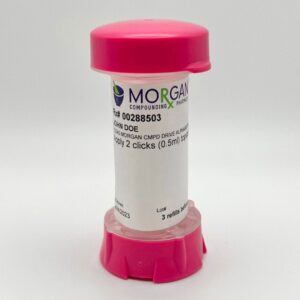
Morgan Compounding Pharmacy prepares patient-specific hormone prescriptions in dosage forms selected according to the prescriber’s directions and the formulation’s intended use.
Depending on the active hormone and prescription requirements, available options may include:
- Oral capsules
- Topical creams or gels
- Troches or rapid-dissolve tablets
- Selected vaginal preparations
- Extended-release progesterone capsules, when appropriate and prescribed
Each dosage form has its own administration and absorption characteristics. The prescriber selects the appropriate hormone, strength, route, and release characteristics according to the clinical goal.

Questions to Discuss With Your Prescriber
If you are considering hormone therapy, these questions can help guide the conversation:
- Which symptoms or clinical concerns are we trying to address?
- Is estradiol appropriate for my situation, and would systemic or local therapy be considered?
- If I receive systemic estrogen, do I also need progesterone or another progestogen?
- What are the benefits, risks, and practical differences between the available dosage forms?
- Are there medication ingredients, administration difficulties, or health conditions that could affect my options?
- What effects should I watch for, and when should I follow up?
These questions can help you understand the purpose of the prescribed hormones and how your provider selects a particular formulation.
For Prescribers: Hormone Prescription and Formulation Support
When prescribing a patient-specific hormone formulation, clearly identify the active hormone or combination, strength, dosage form, route, directions, and any required release characteristics or excipient restrictions.
Morgan Compounding Pharmacy works with Georgia prescribers to discuss formulation details and prepare patient-specific prescriptions. Prescribers can access the practitioner portal or request access to the pharmacy’s women’s health Rx form.
Women's Health Compounding Support in Alpharetta, Georgia

At Morgan Compounding Pharmacy, we work with patients and prescribers on patient-specific hormone formulations, including prescribed estradiol and progesterone preparations.
Our pharmacists support women’s health prescriptions in Alpharetta, the Atlanta area, and communities throughout Georgia.
For patients: Begin with your healthcare provider to discuss your symptoms, medical history, and hormone therapy goals. If you receive a compounded prescription, our pharmacists can answer questions about the dosage form, administration, storage, and prescription instructions.
For prescribers: Our team can discuss available strengths, dosage forms, routes, and formulation requirements for patient-specific hormone prescriptions.
Call Morgan Compounding Pharmacy at 770-475-8903 or contact our team to discuss formulation questions.
Frequently Asked Questions About Compounded Estradiol Cream
What is the difference between estradiol and progesterone?
Estradiol is an estrogen that may be prescribed for estrogen-related symptoms. Progesterone is a different hormone that may be included with systemic estrogen to protect the uterine lining when appropriate. Their clinical purposes and prescribing considerations differ.
Do you need to take progesterone with estradiol?
Not always. Patients with a uterus who receive systemic estrogen generally need an appropriate progestogen for endometrial protection. The decision depends on the estrogen regimen, uterine anatomy, and medical history.
Do you need progesterone if you do not have a uterus?
After a total hysterectomy, progesterone is generally unnecessary solely for endometrial protection. However, residual endometrial tissue following certain surgeries or a history of endometriosis may require additional consideration.
Is progesterone needed with low-dose vaginal estradiol?
Generally, no. Low-dose local vaginal estrogen used for genitourinary symptoms typically does not require an added progestogen. This guidance should not automatically be applied to higher-dose or differently absorbed vaginal formulations.
Can progesterone cream provide endometrial protection?
Transdermal micronized progesterone creams and gels are not considered reliable for endometrial protection when systemic estrogen is prescribed. Current evidence indicates that absorption may be insufficient for that purpose.
Are oral, topical, vaginal, and troche hormone formulations interchangeable?
No. Different routes and dosage forms may have different absorption and exposure characteristics. A prescriber should evaluate the evidence for the specific formulation rather than assume that matching the ingredient or strength makes the preparations equivalent.
Why might a provider consider compounded estradiol or progesterone?
A compounded formulation may be considered when a suitable commercially available medication does not meet a patient-specific prescription need, such as a particular strength, dosage form, or inactive ingredient requirement.
References
American College of Obstetricians and Gynecologists. (2023). Compounded bioidentical menopausal hormone therapy: ACOG Clinical Consensus No. 6. Obstetrics & Gynecology, 142(5), 1266–1273. Link
American College of Obstetricians and Gynecologists. (2024, September). Hysterectomy. ACOG Hysterectomy FAQ
British Menopause Society. (2026, June 4). Updated dose tables for estrogen and progestogen prescribing in BMS and WHC resources. British Menopause Society dose-table update
Hamoda, H. (2026). Progestogens and endometrial protection. British Menopause Society. BMS Progestogens and endometrial protection
“The 2022 Hormone Therapy Position Statement of The North American Menopause Society” Advisory Panel. (2022). The 2022 hormone therapy position statement of The North American Menopause Society. Menopause, 29(7), 767–794. Link
Sriprasert, I., Mert, M., Mack, W. J., Hodis, H. N., & Shoupe, D. (2021). Use of oral estradiol plus vaginal progesterone in healthy postmenopausal women. Maturitas, 154, 13–19. Link
Stute, P., Neulen, J., & Wildt, L. (2016). The impact of micronized progesterone on the endometrium: A systematic review. Climacteric, 19(4), 316–328. Link
U.S. Food and Drug Administration. (n.d.). Compounding and the FDA: Questions and answers. Retrieved October 5, 2026, from FDA: Compounding and the FDA: Questions and Answers