

Estimated Read Time: 12-14 minutes
Blog Summary:
This in-depth guide explores how compounded medications support functional medicine strategies when standard commercial formulations fall short. Designed for Georgia prescribers, it outlines 10 commonly utilized compounded therapies — including low-dose naltrexone, thyroid combinations, BHRT, and more — alongside their mechanisms, available human evidence, and clinical context. The article also highlights when formulation customization becomes clinically relevant, such as dose precision, excipient control, alternative delivery routes, and circadian-based protocols. By aligning formulation design with therapeutic intent, compounded medications may offer a more adaptable approach to individualized care within complex, systems-based therapy models.
Important note:
Compounded medications should be prescribed only when clinically appropriate for an identified patient and pursuant to a valid prescription, with recognition that compounded drugs are not FDA-approved and are subject to different regulatory standards than commercially manufactured products.
Exploring Compounded Medications in Georgia and Tips for Prescribers
Functional medicine is built on individualized protocol design. Yet commercially manufactured medications are produced in fixed strengths, standardized release profiles, and uniform excipient bases that do not always align with complex clinical strategies.
In these scenarios, compounded medications may allow prescribers to tailor formulation design to an identified patient’s clinical needs, including adjustments to strength, ratio, release profile, or delivery route when clinically appropriate.
What Are Compounded Medications?
Licensed compounding pharmacies create compounded medications as prescription preparations to address the specific clinical needs of an individual patient.
Rather than relying on fixed commercial formulations, compounding may allow customization of:
- Strength and microdosing
- Combination formulas
- Immediate- or extended-release profiles
- Allergen-free or dye-free bases
- Alternative delivery systems

In complex care models, formulation design can support laboratory-guided adjustments, titration strategies, and patient-specific tolerability considerations.
Regulatory Considerations in Compounded Medications
Compounded medications are prepared for individual patients pursuant to a valid prescription. They are not FDA-approved and are not subject to the same premarket review for safety, effectiveness, or quality as commercially manufactured drugs. Clinical use should remain guided by practitioner judgment, current evidence, and applicable regulatory standards.
In practice, compounded medications may be considered for an identified patient when a prescriber determines that a needed strength, dosage form, ingredient adjustment, or administration route is not appropriately available through an FDA-approved commercial product. In some cases, this may reflect a clinically meaningful difference for the patient, such as a required change in dosage form, strength, or excipient profile.
See a high-level overview of compounded medications that may be incorporated below:
Quick Overview: Common Compounded Medications in Functional Medicine
| Medication | Primary Consideration | Why Compounding May Be Considered |
|---|---|---|
| Low-dose naltrexone (LDN) | Dose-dependent effects | Microdosing, titration flexibility |
| Semaglutide | Fixed-dose commercial formats | Limited patient-specific considerations when clinically appropriate |
| Thyroid (T3/T4) | Ratio variability | Custom ratios, IR/ER options |
| Cortisol | Circadian rhythm alignment | Timing and release-profile customization |
| BHRT | Hormone variability | Route, dose, and ratio flexibility |
| Mast cell stabilizers | Symptom variability | Dose and excipient adjustments |
| Clomiphene/enclomiphene | Endocrine modulation | Dosing cadence flexibility |
| Oxytocin | Exploratory CNS effects | Intranasal delivery considerations |
| NAD+ | Limited clinical data | Route-specific investigation |
| Methylene blue | Dose-dependent effects | Low-dose customization |
Commonly Considered Applications in Compounded Medications
Low-Dose Naltrexone
Low-dose naltrexone (LDN) has been explored in chronic pain and inflammatory conditions as a dose-dependent intervention distinct from its traditional use in addiction medicine. At substantially lower doses than the standard 50 mg formulation, LDN has been discussed in the literature as a potential modulator of central inflammatory signaling pathways.
Mechanism of Low-Dose Naltrexone
- Proposed modulation of central nervous system inflammation through inhibition of microglial activation.
- Potential reduction in pro-inflammatory cytokine signaling associated with glial cell activity.
- Mechanistic distinction from high-dose opioid receptor antagonism, with low-dose effects hypothesized to extend beyond classic opioid blockade.
- Suggested influence on central sensitization pathways implicated in chronic pain states.
Human Evidence in Low-Dose Naltrexone Research
The review summarizes early human studies reporting changes in symptom scores across chronic pain and inflammatory conditions, including fibromyalgia, Crohn’s disease, and multiple sclerosis (Younger et al., 2014).
While most trials were small and exploratory, several reported favorable changes in patient-reported outcomes and symptom burden, supporting continued investigation in selected populations.
Clinical Context of Low-Dose Naltrexone
Current human data are largely derived from small pilot and crossover trials. Larger confirmatory randomized studies remain limited. In practice, prescribers typically incorporate LDN into individualized protocols with close symptom monitoring and dose titration.
LDN Compounding Relevance
Commercial producers manufacture naltrexone products in higher fixed strengths intended for addressing addiction. Some low-dose protocols may involve microdoses and gradual titration.
- Capsule-based titration formats aligned with stepwise QHS dosing protocols
- Incremental strength adjustments during initiation and maintenance phases
- Oral suspension options when capsule use is not preferred
- Vegetarian capsule and excipient selection aligned with patient tolerability considerations
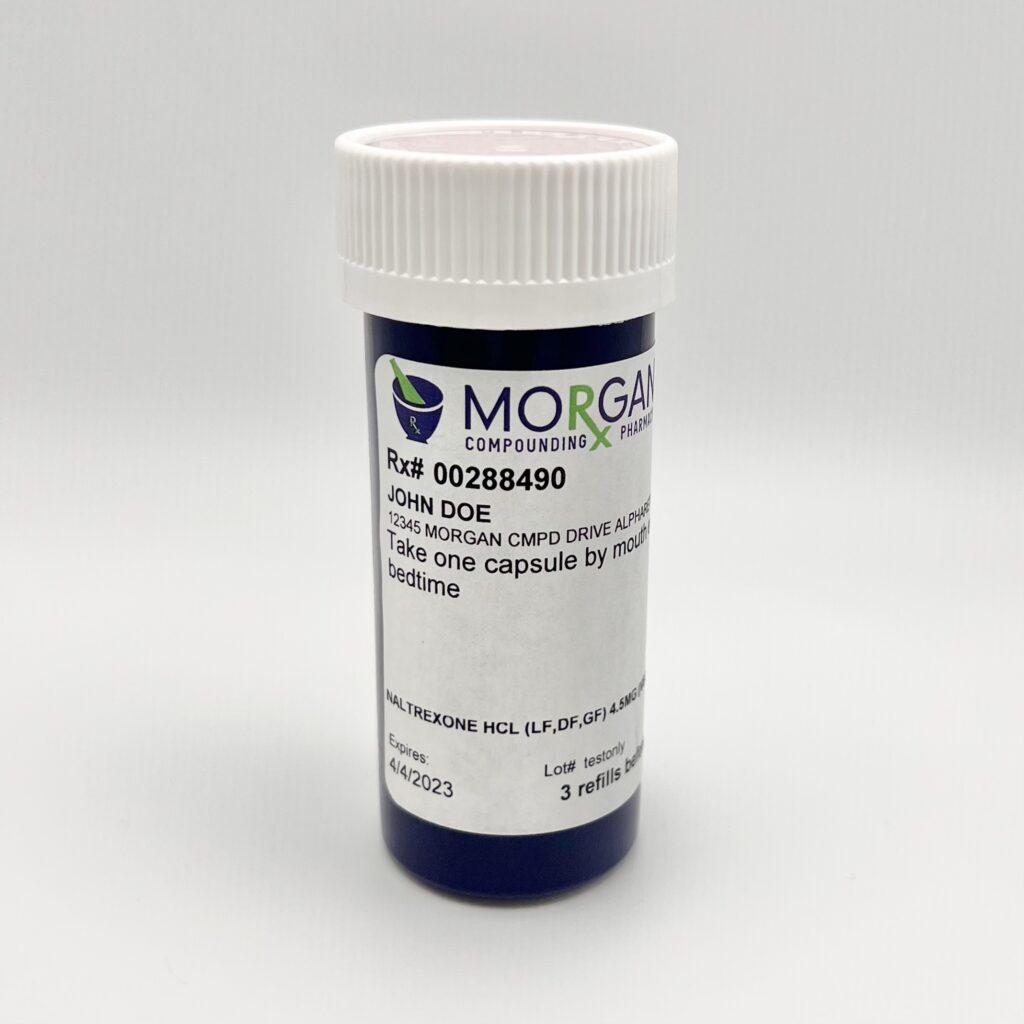
This type of formulation flexibility may support prescriber-directed dose adjustments when fixed commercial tablet strengths do not align with an identified patient’s prescribed regimen.
Semaglutide
Semaglutide is a glucagon-like peptide-1 (GLP-1) receptor agonist that has been studied extensively in FDA-approved products for certain metabolic indications. In the STEP 1 randomized controlled trial, once-weekly semaglutide 2.4 mg, combined with lifestyle intervention, was associated with reductions in body weight and changes in cardiometabolic parameters over 68 weeks.
Mechanism of Semaglutide
- GLP-1 receptor agonism enhances glucose-dependent insulin secretion and suppresses glucagon signaling, contributing to improved glycemic regulation.
- Central nervous system GLP-1 receptor activation influences appetite and satiety pathways, reducing energy intake through gut–brain signaling mechanisms.
- Slowing of gastric emptying contributes to postprandial glucose control and early satiety.
- Integrated endocrine and neural signaling effects influence energy balance and metabolic regulation across multiple physiologic systems (Drucker, 2018).
Human Evidence in Semaglutide and GLP-1 Research
In the STEP 1 trial, adults with overweight or obesity who received FDA-approved semaglutide in addition to lifestyle intervention showed statistically significant differences in weight reduction compared with placebo (Wilding et al., 2021).
Therapy was also associated with improvements in waist circumference, blood pressure, glycemic markers, and selected lipid parameters. These findings reflect sustained weight reduction accompanied by changes across multiple cardiometabolic parameters in a non-diabetic population.

Clinical Context of Semaglutide
The STEP 1 population included adults with overweight or obesity and weight-related comorbidities, excluding individuals with diabetes.
Gastrointestinal adverse events were more commonly reported in the semaglutide group, though typically mild to moderate in severity. As with all GLP-1 receptor agonists, patient selection, tolerability, and long-term metabolic strategy should guide clinical decision-making.
Semaglutide Compounding Relevance
Commercial semaglutide products are supplied in fixed-dose injectable formats. In select clinical situations, prescribers may evaluate compounded preparations when dose customization or delivery format is clinically relevant for an identified patient.
Because semaglutide is the active ingredient in FDA-approved commercial products, any consideration of compounding should be limited to situations that are clinically appropriate for an identified individual patient, supported by a valid prescription, and consistent with current federal and state requirements. Prescribers should also distinguish evidence for FDA-approved semaglutide products from any patient-specific compounded preparation.
Formulation decisions should remain aligned with current regulatory guidance and individualized clinical judgment.
Compounded Thyroid Therapy
Thyroid hormone replacement remains foundational in hypothyroidism management. While levothyroxine (LT4) monotherapy normalizes serum TSH in the majority of patients, a subset continues to report persistent symptoms despite biochemical control. In selected clinical settings, combination therapy with levothyroxine (T4) and liothyronine (T3) has been evaluated as an alternative strategy.
Mechanism of Compounded Thyroid Medications
- LT4 functions primarily as a prohormone, requiring peripheral conversion to triiodothyronine (T3) through deiodinase activity.
- Combination therapy introduces exogenous T3, influencing circulating FT3/FT4 ratios more directly.
- In thyroidectomized patients, LT4+LT3 therapy has been shown to normalize the FT3/FT4 ratio more closely than LT4 alone.
- Variability in peripheral conversion and tissue-level thyroid hormone signaling may contribute to heterogeneous patient responses.
Human Evidence in Thyroid Research
Combination therapy was associated with changes in selected physical domains of quality-of-life measures compared with LT4 alone, although not all endpoints demonstrated statistically significant differences. The authors noted signals of benefit in specific symptom domains while acknowledging variability in overall outcomes (Hajtalebi et al., 2025).
In the LEVOLIO randomized controlled trial involving thyroidectomized patients, LT4+LT3 therapy was associated with greater normalization of FT3/FT4 ratios compared with LT4 alone. However, thyroid-specific quality-of-life scores did not differ significantly between therapy groups (Brigante et al., 2023).
Together, these findings reflect measurable biologic and patient-reported signals without consistent superiority across all clinical endpoints.
Clinical Context of Compounded Thyroid Therapy
Controlled trials evaluating combination LT4+LT3 therapy have produced heterogeneous results. These studies reported improvements in specific quality-of-life domains or biochemical parameters, while others show no statistically significant differences in global symptom measures compared with LT4 monotherapy.
Compounded Thyroid Therapy Compounding Relevance
Commercial thyroid hormone products are manufactured in fixed strengths and standardized T4:T3 formulations. In clinical situations where ratio adjustment, incremental titration, or dosing flexibility is considered, compounded preparations may allow additional formulation precision.
Compounding may support:
- Individualized T4 and T3 combination strategies with adjustable ratios
- Immediate-release (IR) or extended-release (E4M) formulations based on clinical goals
- Structured T3 titration sequences during initiation or dose transitions
- Patient-specific capsule strengths or ratios when clinically appropriate
Formulation and dosing decisions should remain guided by laboratory data, symptom assessment, and individualized patient evaluation.
Bioidentical Hormone Replacement Therapy
Bioidentical hormone replacement therapy (BHRT) refers to the use of hormones structurally identical to endogenous estradiol, estriol, progesterone, testosterone, or dehydroepiandrosterone (DHEA). These molecules exert biologic effects through established nuclear receptor pathways. Receptor distribution, circulating concentration, and route of administration influence tissue response. In endocrine care, formulation considerations intersect with pharmacokinetics, dose precision, and ratio selection.
Role in the Body
- Estrogens (Estradiol & Estriol): These hormones play a central role in reproductive physiology, bone metabolism, vascular function, and urogenital tissue signaling.
- Progesterone: Involved in endometrial regulation, neurosteroid activity, and reproductive signaling pathways.
- Testosterone: Plays a role in sexual function, lean body mass maintenance, erythropoiesis, and neuroendocrine signaling in both men and women.
- DHEA: An adrenal androgen precursor that contributes to downstream estrogenic and androgenic signaling pathways, with variable systemic effects depending on dose and route.
Human Evidence and BHRT Research
Estrogens (Estradiol & Estriol)
An observational cohort study evaluating women receiving compounded bioidentical hormone therapy reported changes in mood-related symptoms over 3–6 months, with reductions observed in several vasomotor measures. Because the study was non-randomized, the findings should be interpreted as observational associations rather than comparative efficacy.
Progesterone
Clinical investigations of topical progesterone demonstrate measurable systemic absorption, with serum levels varying based on formulation and dose. Available data evaluating coagulation markers have not demonstrated significant pro-thrombotic changes in studied populations; pharmacokinetic variability warrants individualized route and dose selection.
Testosterone
A systematic review and meta-analysis of randomized controlled trials found transdermal testosterone associated with changes in sexual desire and related domains in postmenopausal women. Androgenic effects were more frequently reported, while serious adverse events were not significantly increased in short-term studies.
DHEA
Randomized trials of vaginal DHEA were associated with changes in dyspareunia and vulvovaginal atrophy-related parameters. Evidence for broader systemic effects remains heterogeneous and requires individualized clinical interpretation.
Clinical Context of BHRT
Estrogens (Estradiol & Estriol)
Patient response to estrogen therapy may vary based on dose, route, and individual receptor sensitivity. Monitoring strategies typically include symptom assessment alongside laboratory evaluation when clinically appropriate.
Progesterone
Route of administration influences serum exposure and observed response. Dose selection and delivery format should align with clinical goals and tolerability considerations.
Testosterone
Appropriate patient selection and laboratory monitoring are central to prescribing decisions. Baseline gonadotropin status, cardiometabolic risk factors, and adverse effect profile warrant individualized assessment.
DHEA
Local versus systemic administration produces differing pharmacologic exposures. Clinical interpretation should consider baseline androgen status and intended use context.
BHRT Compounding Relevance
Commercial hormone products are supplied in standardized strengths and fixed combinations. In clinical scenarios where we consider dose precision, ratio customization, or route selection, compounded preparations may allow individualized formulation design.
Important note: Not all bioidentical hormone therapy is compounded, and not all compounded hormone therapy is appropriate for every patient.
Compounding may support:
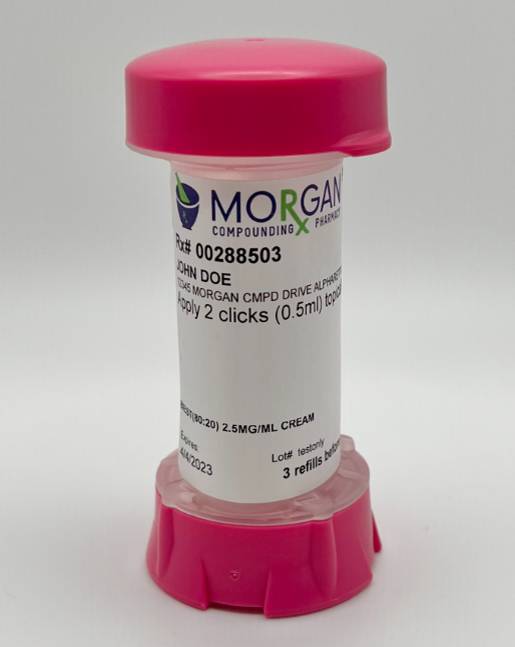
- Metered transdermal delivery systems (e.g., Topi-Click™ applicators) for structured per-application dosing
- Adjustable estradiol/estriol (Bi-Est) ratio customization within prescriber-directed protocols
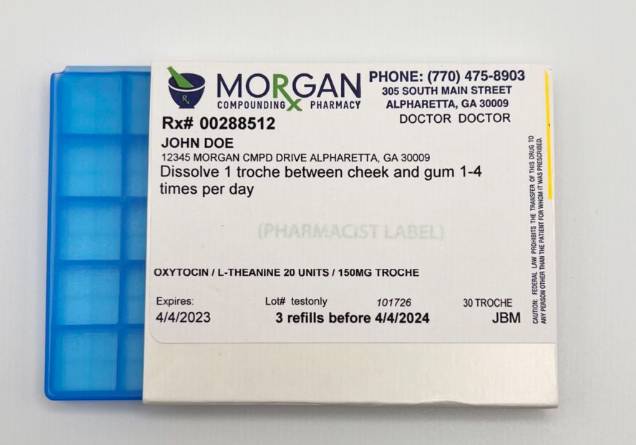
- Multiple route options including topical creams or gels, sublingual troches, suppositories, and capsule formulations
- Extended-release (E4M) progesterone capsule preparations when clinically indicated
- Combination hormone strategies tailored to individualized endocrine assessments
- Base and excipient selection aligned with patient-specific tolerability considerations
Hormone selection, dosing, and route decisions should remain guided by laboratory evaluation, clinical assessment, and individualized prescriber judgment.
Cortisol
Cortisol plays a central role in circadian rhythm regulation, immune signaling, and metabolic homeostasis. In patients with adrenal insufficiency, conventional immediate-release hydrocortisone replacement may not fully replicate physiologic diurnal cortisol secretion patterns. Modified-release hydrocortisone formulations have been studied as an approach designed to more closely approximate endogenous cortisol exposure.
Mechanism of Cortisol
- Modified-release hydrocortisone is designed to better mimic physiologic circadian cortisol rhythm, including early morning peak exposure.
- Restoration of more physiologic cortisol patterns may influence metabolic signaling and innate immune regulation.
- Altered timing and pattern of glucocorticoid exposure may affect inflammatory and immune cell activity.
- Circadian-aligned cortisol delivery has been investigated as a strategy to potentially mitigate the metabolic and immune consequences associated with non-physiologic glucocorticoid replacement.
Human Evidence in Cortisol Research
In the DREAM trial, patients with adrenal insufficiency receiving once-daily modified-release hydrocortisone were compared with those receiving conventional glucocorticoid replacement therapy (Isidori et al., 2018).
Modified-release therapy was associated with differences in selected metabolic parameters, markers of innate immune function, and patient-reported measures compared with standard therapy.
Clinical Context of Cortisol
The DREAM trial evaluated patients with established adrenal insufficiency and compared once-daily modified-release hydrocortisone to conventional multi-dose regimens. While improvements in metabolic and immune parameters were observed, long-term outcome data remain limited.
Hydrocortisone replacement requires individualized dosing based on clinical presentation, comorbid conditions, symptom profile, and biochemical monitoring. Timing of administration and total daily dose remain central considerations in glucocorticoid replacement strategies.
Cortisol Compounding Relevance
Commercial hydrocortisone products are supplied in fixed strengths and standard release formats. In clinical situations where dose precision or timing strategy is relevant, compounded preparations may allow additional dosing and release-profile customization.
Compounding may support:
- Extended-release (E4M) capsule formulations designed for structured daytime administration
- Timing-specific dosing strategies aligned with prescriber-directed circadian approaches
- Incremental strength adjustments during initiation or dose modification phases
- Capsule-based delivery administered with meals as directed
Dosing and timing decisions should remain guided by clinical assessment, laboratory data, and individualized patient evaluation.
Select or Specialized Applications in Compounded Medications
Mast Cell Stabilizers
Mast cell activation and mediator release have been implicated in gastrointestinal hypersensitivity, inflammatory signaling, and certain allergic or immune-mediated presentations. Ketotifen and cromolyn sodium are mast cell–modulating agents that have been evaluated in conditions where mast cell activity is suspected to contribute to symptom burden.
Mechanism of Mast Cell Stabilizers
- Ketotifen exhibits H1 receptor antagonism and mast cell–stabilizing properties, potentially reducing histamine and inflammatory mediator release.
- Cromolyn sodium functions primarily as a mast cell stabilizer, inhibiting degranulation and limiting downstream mediator signaling.
- Modulation of mast cell activity may influence visceral hypersensitivity, local inflammatory signaling, and symptom expression in select populations.
- These agents are not immunosuppressive but are investigated as targeted regulators of mast cell–mediated pathways.
Human Evidence in Mast Cell–Directed Research
In a randomized, placebo-controlled trial involving patients with irritable bowel syndrome and documented visceral hypersensitivity, ketotifen therapy was associated with increased discomfort threshold and changes in symptom scores and quality-of-life measures compared with placebo (Klooker et al., 2010c).
In a separate crossover randomized controlled trial evaluating oral cromolyn sodium in patients with IBS, cromolyn therapy was associated with reductions in abdominal pain severity compared with placebo during therapy periods (Daryani et al., 2009).
While these studies were conducted in gastrointestinal populations rather than formal mast cell activation syndromes, they provide preliminary findings that may support further investigation into mast cell–directed approaches in selected symptom-based conditions.
Clinical Context in MCAS
Controlled trials evaluating mast cell stabilizers in IBS and related conditions have reported symptom changes in selected patients. However, study populations are heterogeneous and diagnostic criteria vary. Larger confirmatory trials remain limited.
Clinical use of mast cell–modulating agents is typically individualized, guided by symptom patterns, suspected mediator involvement, and tolerability. These agents may be considered in select presentations where mast cell–mediated pathways are clinically suspected.
Mast Cell Stabilizer Compounding Relevance
Commercial ketotifen and cromolyn formulations may not always align with prescriber-directed dose strategies or excipient considerations.
Compounding may support:
- Adjustable capsule strengths to facilitate gradual titration
- Flexible daily dosing schedules aligned with prescriber-directed protocols
- Capsule formulations aligned with patient-specific tolerability needs
- Excipient selection tailored for sensitive populations
Prescribing decisions should remain individualized and guided by clinical assessment and current evidence.
Clomiphene and Enclomiphene
Clomiphene citrate and enclomiphene citrate are selective estrogen receptor modulators (SERMs) evaluated in men with secondary or functional hypogonadal presentations as an approach to support endogenous testosterone production while maintaining hypothalamic–pituitary signaling.
Mechanism of Clomiphene and Enclomiphene
- SERMs modulate estrogen receptor signaling at the hypothalamic–pituitary axis, which may reduce estrogen-mediated negative feedback and support increased LH and FSH secretion.
- Increased gonadotropin signaling can stimulate testicular testosterone production, distinguishing this approach mechanistically from exogenous testosterone strategies that suppress LH/FSH.
- Enclomiphene, the trans-isomer of clomiphene citrate, has been specifically studied for its ability to increase testosterone concentrations while maintaining or increasing gonadotropin levels (Wiehle et al., 2014).
Human Evidence in Clomiphene and Enclomiphene Research
In a clinical trial involving men with secondary hypogonadism, enclomiphene citrate was associated with increased morning testosterone concentrations alongside maintained or increased LH/FSH levels, with preservation of sperm parameters compared with topical testosterone therapy (Wiehle et al., 2014).
In a randomized prospective trial in men with infertility and low testosterone, clomiphene citrate was evaluated as an oral endocrine strategy within a controlled study design, supporting its investigation in male reproductive and hypogonadal contexts (Helo et al., 2015).
Clinical Context of Clomiphene and Enclomiphene
Clomiphene and enclomiphene are most often discussed in secondary or functional hypogonadal patterns, particularly when maintaining endogenous axis activity and spermatogenesis is a clinical consideration. Controlled studies demonstrate biochemical effects; however, patient response may vary based on baseline gonadotropin status, comorbidities, and protocol specifics.
As with all endocrine interventions, appropriate laboratory monitoring and clinician oversight are required.
Clomiphene and Enclomiphene Compounding Relevance
In specific situations, compounded preparations may allow prescribers to direct customization of strength, dosing cadence, and capsule composition, aligned with patient needs and clinical background.
Compounding may support:
- Adjustable capsule strengths aligned with prescriber-directed endocrine protocols
- Structured intermittent dosing schedules (e.g., non-daily administration) when clinically indicated
- Capsule excipient selection tailored to patient tolerability considerations
Prescribing decisions should remain individualized and guided by laboratory monitoring and clinical assessment.
Emerging or Investigational Considerations
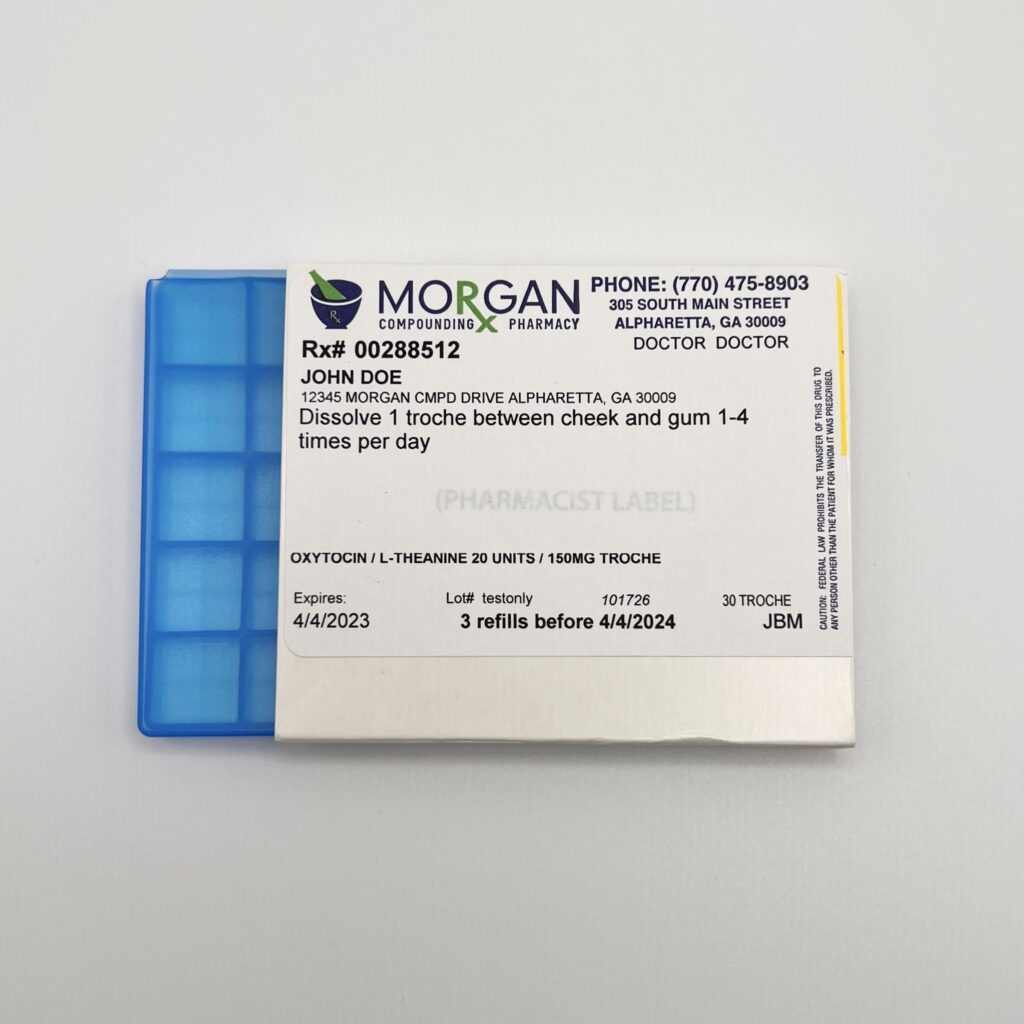
Oxytocin
Oxytocin is a neuropeptide involved in social bonding, emotional processing, and stress regulation. Intranasal administration has been investigated as a method to influence central oxytocin signaling due to its potential effects on limbic and social cognition pathways.Mechanism of Oxytocin
- Intranasal oxytocin has been shown to modulate amygdala activity during emotional processing tasks (Radke et al., 2017).
- Reduced amygdala reactivity during threat-related stimuli suggests influence on social approach–avoidance circuitry.
- Social cue interpretation, affiliative behavior, and stress-related neuroendocrine pathways all involve oxytocin signaling.
- Limbic system modulation has been proposed as a mechanism underlying observed changes in emotional and social task performance.
Human Evidence in Oxytocin Research
In a randomized, placebo-controlled crossover trial, intranasal oxytocin administration was associated with improved performance on emotion recognition tasks in youth with autism spectrum disorders compared with placebo (Guastella et al., 2009).
The study demonstrated measurable changes in social-cognitive task outcomes following acute oxytocin administration. While sample sizes were limited and effects were task-specific, the findings support ongoing investigation into oxytocin’s role in modulating social processing.
Clinical Context with Oxytocin
Human studies of intranasal oxytocin have primarily evaluated short-term behavioral and neuroimaging outcomes. Results across populations have been heterogeneous, and long-term clinical impact remains under investigation.
Patient selection, dosing strategy, and monitoring considerations are essential when evaluating intranasal oxytocin within broader neuroendocrine or behavioral protocols. Current evidence reflects modulation of social-cognitive measures rather than established therapy outcomes.
Oxytocin Compounding Relevance
Commercial oxytocin products are typically formulated for parenteral use. Intranasal administration requires specialized preparation and delivery systems.
Because published human research on intranasal oxytocin remains limited and heterogeneous, any compounded preparation should be considered cautiously, within individualized clinical judgment, and with careful distinction between exploratory literature and established clinical use.
Dosing decisions should remain individualized and guided by clinical judgment and current evidence.
Compounded NAD+
NAD+ (nicotinamide adenine dinucleotide) is a central cofactor in cellular energy metabolism and redox homeostasis. It plays a key role in mitochondrial function and serves as a substrate for NAD+-dependent enzymes involved in metabolic signaling and cellular stress response pathways (Ferro & Moco, 2024).
Mechanism of NAD+
- NAD+ functions as a core redox cofactor supporting oxidative metabolism and energy production pathways.
- NAD+ availability influences mitochondrial function and NAD+-dependent enzyme activity involved in cellular metabolic regulation.
- Intranasal administration has been investigated in preclinical models as a potential strategy to support CNS-relevant exposure.
Human Evidence in NAD+ Research
Clinical outcome data for intranasal NAD+ remain limited and continue to be investigated. Current supportive evidence for the intranasal route is primarily preclinical (Ying et al., 2006).
Clinical Context in NAD+
In preclinical research, intranasal NAD+ administration has been studied in a neurologic injury model, with reported increases in brain NAD+ levels and exploratory observations in injury-related models. While these findings support ongoing scientific interest in intranasal NAD+ as a delivery strategy, clinical translation requires careful interpretation and patient-specific judgment.
In practice, NAD+-focused strategies are often considered within broader metabolic and mitochondrial support frameworks. Clinical decision-making should remain evidence-guided and individualized.
NAD+ Compounding Considerations
Human clinical outcome data for intranasal NAD+ remain limited, and currently cited support for this route is primarily preclinical. Any consideration of a compounded preparation should therefore be approached cautiously, with clear recognition of the limited evidence base and individualized clinical judgment.
Use decisions should remain individualized and guided by current evidence and clinical judgment.
Methylene Blue
Methylene blue is a redox-active compound with established medical uses at higher doses and ongoing investigation at low doses for its neurometabolic properties. At lower concentrations, it has been studied for potential effects on mitochondrial respiration and neural activation patterns.
Mechanism of Methylene Blue
- Low-dose methylene blue has been described as an alternative electron carrier within the mitochondrial electron transport chain, facilitating electron transfer at the level of cytochrome c oxidase (Rojas et al., 2011).
- Under certain conditions, this redox activity may influence cellular energy production and oxidative metabolism.
- The literature describes a dose-dependent profile in which low-dose exposure differs mechanistically from higher pharmacologic dosing used in established indications.
Human Evidence in Methylene Blue Research
In a randomized, placebo-controlled study in healthy adults, low-dose methylene blue administration was associated with improved short-term memory retrieval performance and increased task-related brain activity on functional MRI (Rodriguez et al., 2016).
The findings reflect acute, task-specific effects in healthy individuals and do not establish therapeutic application in neurologic or psychiatric conditions.
Clinical Context of Methylene Blue
Human research on low-dose methylene blue remains exploratory and has primarily evaluated short-term cognitive and neuroimaging outcomes. Long-term clinical effects have not been established.
Pharmacologic activity is dose-dependent, and higher doses are associated with different clinical indications and safety considerations. Medication reconciliation is important due to potential interactions with serotonergic agents.
Clinical use should distinguish between mechanistic investigation and established medical indications.
Methylene Blue Compounding Relevance
Commercial methylene blue products are typically formulated for specific approved medical uses and standardized dosing. When low-dose applications are evaluated, compounding may provide formulation flexibility.
Where low-dose methylene blue is being evaluated in individualized care, any compounded preparation should be approached cautiously, with attention to dose-dependent pharmacology, medication interactions, and the difference between exploratory evidence and established indications.
Use decisions should remain guided by current evidence, clinical assessment, and individualized patient evaluation.
Clinical Scenarios Where Compounded Medications May Become Relevant in Functional Practice
Dose Precision Outside Standard Commercial Increments
Commercial medications are produced in fixed strengths. Functional protocols may require dose adjustments that fall between — or outside — those increments. Examples include:- Micro-titration during initiation phases
- Stepwise escalation to improve tolerability
- Laboratory-guided incremental adjustments
- Customized dosing in sensitive or complex cases
Beyond Active Ingredients: Excipient Control in Sensitive Patients
In some cases, the active ingredient is appropriate, but the excipient profile is not. Inactive ingredients can affect tolerability, particularly in patients with immune, gastrointestinal, or allergic sensitivities. Clinical considerations include:- Dye-free preparations
- Lactose- or gluten-free formulations
- Preservative avoidance when appropriate
- Removal of specific fillers or binders
Route and Absorption Considerations
At other times, the limiting factor is not dose or excipients, but delivery. Standard oral dosage forms are not universally optimal, and route selection can influence administration feasibility and pharmacokinetic exposure. Situations include:- Sublingual or troche formulations
- Topical preparations
- Oral liquids for swallowing difficulty
- Targeted nasal delivery when clinically appropriate
Multi-Ingredient Integration Within Systems-Based Protocols
In select cases, combining compatible agents into a single formulation may be considered to streamline administration when clinically appropriate. Applications include:- Customized endocrine ratios
- Integrated metabolic or mitochondrial protocol components
- Mast cell–focused combination approaches
- Simplified dosing schedules to support consistency
Circadian or Timing-Sensitive Therapeutic Strategies
Endocrine and metabolic signaling are influenced by circadian rhythms. Modified- or extended-release formats may be considered when timing of delivery is clinically relevant. Examples include:- Modified-release thyroid strategies
- Cortisol rhythm–aligned protocols
- Evening-targeted neuro-support strategies
Continuity of Care During Discontinuation or Shortage
Commercial reformulations, discontinuations, or supply interruptions can disrupt established protocols. Compounding may support continuity when standard products are unavailable and are legally appropriate and clinically justified for an identified patient.Formulation Preferences That Affect Use Consistency
Dosage form tolerability can influence long-term use in multi-step protocols.
Examples include:
- Flavoring when appropriate
- Troche versus capsule selection
- Liquid versus solid dosage forms
These scenarios illustrate that compounding is not limited to specific medications, but often reflects broader protocol design. When formulation precision becomes part of clinical strategy, process consistency and quality controls become operationally important.

Morgan Compounding: Supporting Functional Medicine Prescribers Across Georgia
Morgan Compounding Pharmacy works with functional medicine prescribers throughout Alpharetta, the North Atlanta region, and across Georgia to prepare patient-specific compounded prescriptions based on individualized prescribing needs.
In protocol-driven care, formulation considerations may become an important operational part of implementing an individualized prescribing plan. Working with a compounding pharmacy familiar with functional medicine workflows may help support communication, formulation clarification, and operational consistency.
Our experienced pharmacists work collaboratively with providers to align formulation design with clinical intent. We combine:
- Personalized compounding standards tailored to individualized protocol design
- Access to immediate- and extended-release formats, alternate routes, and multiple dosage forms
- Structured titration support and multi-ingredient formulation capabilities
- Clinical familiarity spanning hormone optimization, endocrine support, metabolic strategies, LDN protocols, gastrointestinal and mast cell–focused approaches, dermatologic compounding, and other specialty areas
- Direct pharmacist–prescriber communication to support clarity, responsiveness, and continuity of care
For prescribers managing complex individualized protocols, a Georgia-based compounding pharmacy may serve as a practical resource for formulation questions, patient-specific dosage-form considerations, and prescription execution.
To discuss collaborative prescribing needs or review protocol-specific considerations, contact our team directly or explore our Provider Resources.
All compounded medications should be prescribed and dispensed in accordance with applicable federal and state regulations and based on individualized patient needs.
References
References Part 1
- Achilli, C., Pundir, J., Ramanathan, P., Sabatini, L., Hamoda, H., & Panay, N. (2016b). Efficacy and safety of transdermal testosterone in postmenopausal women with hypoactive sexual desire disorder: a systematic review and meta-analysis. Fertility and Sterility, 107(2), 475-482.e15. Link
- Brigante, G., Santi, D., Boselli, G., Margiotta, G., Corleto, R., Monzani, M. L., Craparo, A., Locaso, M., Sperduti, S., Roy, N., Casarini, L., Trenti, T., Tagliavini, S., De Santis, M. C., Roli, L., Rochira, V., & Simoni, M. (2023). Randomized double-blind placebo-controlled trial on levothyroxine and liothyronine combination therapy in totally thyroidectomized subjects: the LEVOLIO study. European Journal of Endocrinology, 190(1), 12–22. Link
- Daryani, N. E., Hashemian, F., Afkham, M. S., Habibollahi, P., Keramati, M. R., Fereshtehnejad, S., & Bashashati, M. (2009). Mast cell stabilizers as a potential treatment for Irritable bowel syndrome: A randomized placebo-controlled clinical trial. SHILAP Revista De Lepidopterología, 17(2), 72–78. Link
- Drucker, D. J. (2018). Mechanisms of action and therapeutic application of glucagon-like peptide-1. Cell Metabolism, 27(4), 740–756. Link
- Ferro, V., & Moco, S. (2024). NAD+ (nicotinamide adenine dinucleotide, oxidized form). Trends in Endocrinology and Metabolism, 36(3), 292–293. Link
- Guastella, A. J., Einfeld, S. L., Gray, K. M., Rinehart, N. J., Tonge, B. J., Lambert, T. J., & Hickie, I. B. (2009). Intranasal Oxytocin Improves Emotion Recognition for Youth with Autism Spectrum Disorders. Biological Psychiatry, 67(7), 692–694. Link
- Hajtalebi, F., Alaei-Shahmiri, F., Golgiri, F., Shahini, N., Akbari, H., Assadian, K., & Mosalamiaghili, S. (2025). Early effects of LT3 + LT4 combination therapy on quality of life in hypothyroid patients: a randomized, double-blind, parallel-group comparison trial. BMC Endocrine Disorders, 25(1), 22. Link
References Part 2
- Helo, S., Ellen, J., Mechlin, C., Feustel, P., Grossman, M., Ditkoff, E., & McCullough, A. (2015). A randomized prospective Double-Blind comparison trial of clomiphene citrate and anastrozole in raising testosterone in hypogonadal infertile men. The Journal of Sexual Medicine, 12(8), 1761–1769. Link
- Isidori, A. M., Venneri, M. A., Graziadio, C., Simeoli, C., Fiore, D., Hasenmajer, V., Sbardella, E., Gianfrilli, D., Pozza, C., Pasqualetti, P., Morrone, S., Santoni, A., Naro, F., Colao, A., Pivonello, R., & Lenzi, A. (2017). Effect of once-daily, modified-release hydrocortisone versus standard glucocorticoid therapy on metabolism and innate immunity in patients with adrenal insufficiency (DREAM): a single-blind, randomised controlled trial. The Lancet Diabetes & Endocrinology, 6(3), 173–185. Link
- Klooker, T. K., Braak, B., Koopman, K. E., Welting, O., Wouters, M. M., Van Der Heide, S., Schemann, M., Bischoff, S. C., Van Den Wijngaard, R. M., & Boeckxstaens, G. E. (2010c). The mast cell stabiliser ketotifen decreases visceral hypersensitivity and improves intestinal symptoms in patients with irritable bowel syndrome. Gut, 59(9), 1213–1221. Link
- Labrie, F., Archer, D., & Portman, D. (2015b). Efficacy of intravaginal dehydroepiandrosterone (DHEA) on moderate to severe dyspareunia and vaginal dryness, symptoms of vulvovaginal atrophy. Maturitas, 82(3), 315–316. Link
- Radke, S., Volman, I., Kokal, I., Roelofs, K., De Bruijn, E. R., & Toni, I. (2017). Oxytocin reduces amygdala responses during threat approach. Psychoneuroendocrinology, 79, 160–166. Link
- Rodriguez, P., Singh, A. P., Malloy, K. E., Zhou, W., Barrett, D. W., Franklin, C. G., Altmeyer, W. B., Gutierrez, J. E., Li, J., Heyl, B. L., Lancaster, J. L., Gonzalez-Lima, F., & Duong, T. Q. (2016). Methylene blue modulates functional connectivity in the human brain. Brain Imaging and Behavior, 11(3), 640–648. Link
- Rojas, J. C., Bruchey, A. K., & Gonzalez-Lima, F. (2011). Neurometabolic mechanisms for memory enhancement and neuroprotection of methylene blue. Progress in Neurobiology, 96(1), 32–45. Link
References Part 3
- Ruiz, A. D., Daniels, K. R., Barner, J. C., Carson, J. J., & Frei, C. R. (2011b). Effectiveness of Compounded bioidentical hormone replacement therapy: an observational cohort study. BMC Women S Health, 11(1), 27. Link
- Stephenson, K., Price, C., Kurdowska, A., Neuenschwander, P., Stephenson, J., Pinson, B., Stephenson, D., Alfred, D., Krupa, A., Mahoney, D., Zava, D., & Bevan, M. (2004b). Topical progesterone cream does not increase thrombotic and inflammatory factors in postmenopausal women. Blood, 104(11), 5318. Link
- Wiehle, R. D., Fontenot, G. K., Wike, J., Hsu, K., Nydell, J., & Lipshultz, L. (2014). Enclomiphene citrate stimulates testosterone production while preventing oligospermia: a randomized phase II clinical trial comparing topical testosterone. Fertility and Sterility, 102(3), 720–727. Link
- Wilding, J. P., Batterham, R. L., Calanna, S., Davies, M., Van Gaal, L. F., Lingvay, I., McGowan, B. M., Rosenstock, J., Tran, M. T., Wadden, T. A., Wharton, S., Yokote, K., Zeuthen, N., & Kushner, R. F. (2021). Once-Weekly Semaglutide in Adults with Overweight or Obesity. New England Journal of Medicine, 384(11), 989–1002. Link
- Ying, W. (2006). Intranasal administration with NAD+ profoundly decreases brain injury in a rat model of transient focal ischemia. Frontiers in Bioscience, 12(1), 2728. Link
- Younger, J., Parkitny, L., & McLain, D. (2014b). The use of low-dose naltrexone (LDN) as a novel anti-inflammatory treatment for chronic pain. Clinical Rheumatology, 33(4), 451–459. Link