

Estimated Read Time: 8-10 minutes
Blog Summary:
This article explores the role of ketotifen and cromolyn sodium in Mast Cell Activation Syndrome (MCAS), focusing on how these mast cell stabilizers are approached within provider-directed care. It explains key differences between the two medications, how they interact with mast cell activity and histamine pathways, and why therapy responses may vary between individuals.
The blog also examines practical challenges with standard medication formats — such as fixed dosing, ingredient sensitivities, and limited dosage forms — and how compounding may support more individualized preparation. With a Georgia-based perspective, it outlines how providers and compounding pharmacies collaborate to align medication formulations with patient-specific needs.
Important Note:
This content is for informational and educational purposes only and is not intended to diagnose, treat, cure, or prevent any disease. All medication decisions should be made by a licensed healthcare provider. Compounded medications are not FDA-approved and are prepared by a licensed compounding pharmacy based on a valid prescription to meet individualized patient needs.

How Mast Cell Stabilizers Are Used in MCAS — and Why Preparation Matters
Ongoing, hard-to-explain symptoms — like flushing, digestive discomfort, skin irritation, or fatigue — can make it hard to pinpoint what’s actually happening. For some individuals, these patterns may be linked to Mast Cell Activation Syndrome (MCAS), where mast cells respond in an overactive or unpredictable way.
In this context, medications like ketotifen and cromolyn sodium may come into consideration as mast cell stabilizers, especially when symptoms appear linked to histamine and other chemical signals released by those cells.
One challenge often becomes clear early on: responses to medications aren’t always consistent. Many are produced in fixed strengths with standardized ingredients. Individual needs can vary in ways those formats don’t fully account for.
At Morgan Compounding Pharmacy in Alpharetta, Georgia, we see this variation firsthand when working with both patients and prescribers. This article explores how ketotifen and cromolyn sodium fit into provider-directed, individualized approaches to MCAS — and where compounded options may come into consideration.
What Is Mast Cell Activation Syndrome (MCAS)?
MCAS is a condition where mast cells release excessive inflammatory chemicals, causing symptoms like hives, flushing, gastrointestinal issues, and fatigue. These reactions can be triggered by foods, medications, or environmental factors. Treatment typically focuses on stabilizing mast cells and reducing symptom flare-ups.
Mast cells are part of the immune system and help the body respond to allergens and other triggers. When activated, they release chemical signals — such as histamine — that shape how the body reacts.
In MCAS, these signals may be released at the wrong time. They may also act in response to triggers that vary from person to person. Because mast cells are involved across multiple systems, symptoms can show up in the skin, digestive tract, lungs, heart, and nervous system.
Common MCAS Symptoms
- Skin flushing or itching
- Gastrointestinal discomfort, cramping, or diarrhea
- Headaches or cognitive symptoms such as brain fog
- Rapid heart rate or lightheadedness
- Respiratory symptoms, such as wheezing or shortness of breath
- Sensitivity to foods or environmental triggers
One of the defining features of MCAS is variability. Symptoms can change over time, and triggers are usually different in every patient.
Since mast cells sit at the center of these responses, doctors may look at medications such as mast cell stabilizers as part of a broader approach.

“Detailed knowledge about the etiology, underlying pathologies and co-morbidities is important to establish the diagnosis and develop an optimal management plan for MCAS, following the principles of personalized medicine.”
– Valent et al., 2020, International Journal of Molecular Sciences
Clinical discussions around MCAS often emphasize individualized evaluation due to symptom variability across patients.
In practice, these decisions are provider–guided, shaped around each individual’s needs — especially when symptoms and triggers don’t follow a constant pattern.
Ketotifen and Cromolyn Sodium for MCAS: Mast Cell Stabilizers
With mast cells playing a major role in MCAS and its variability, medications that influence their activity or mediator release may come into consideration. Ketotifen and cromolyn sodium are two such drugs that are often included in discussions around mast cell stabilizers.
While they differ in structure and use, both are considered within prescriber-directed care plans determined by the clinical picture and individual patient needs.
When Ketotifen and Cromolyn Sodium May Be Considered in MCAS
- Symptoms affecting multiple systems
- Variable or unpredictable symptom patterns
- Sensitivity to standard medication ingredients
- Need for gradual dose adjustments (titration)
- Situations where standard dosage forms are not ideal
These decisions are always made by a healthcare provider based on individual clinical evaluation.
| Feature | Cromolyn Sodium | Ketotifen |
| Primary Role | Mast cell stabilization | Antihistamine + mast cell effects |
| Typical context | Localized (e.g., GI) | Multi-system |
| Availability | Commercial + compounded | Primarily compounded in the U.S. |
What Is Cromolyn Sodium?
Cromolyn Sodium is a medication commonly associated with mast cell stabilization. It may be considered in situations where mast cell activity is part of a particular, localized symptom pattern, such as those involving the gastrointestinal tract.
What Is Ketotifen?
Meanwhile, Ketotifen is a compound that may come up when clinicians are looking at both histamine-related symptoms and mast cell behavior together, often in broader or more systemic symptom patterns.
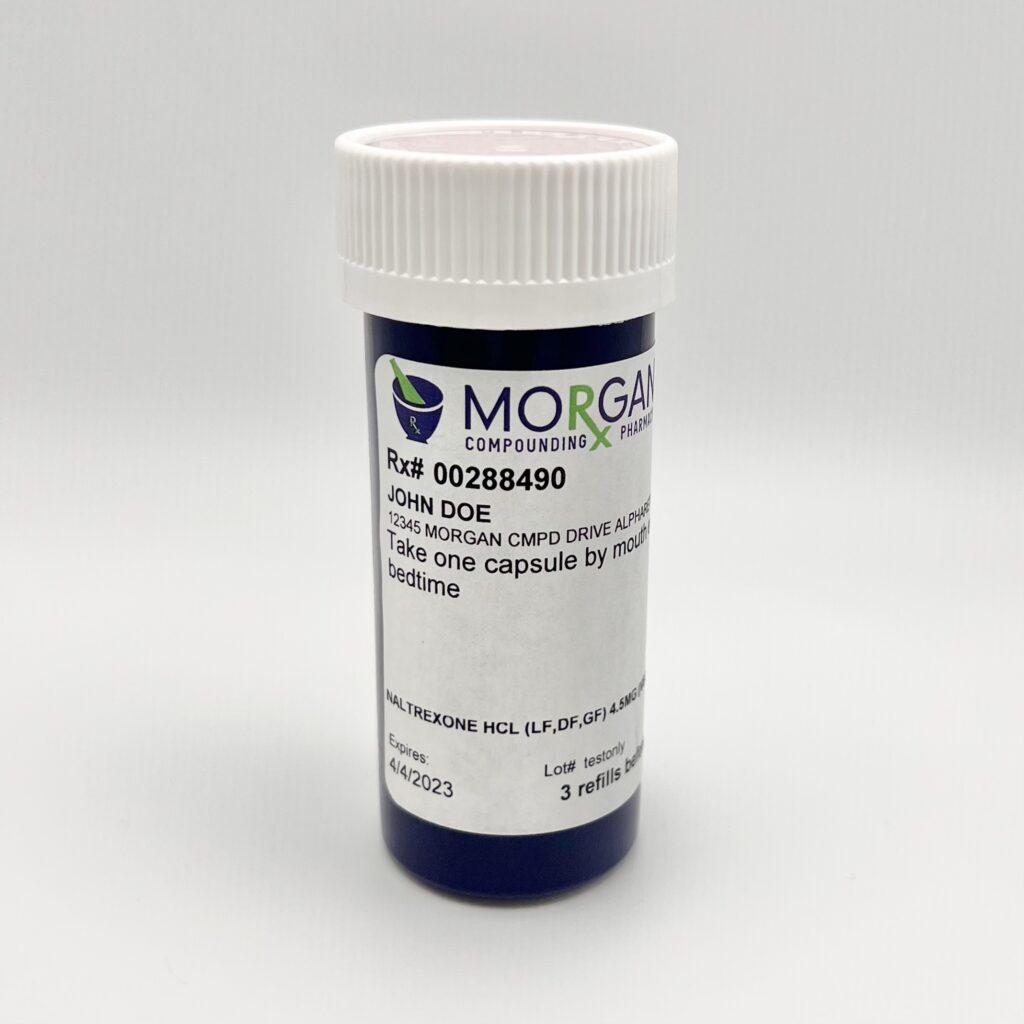
In the US, ketotifen is not widely available as a commercially manufactured oral medication. Because of this, when providers consider its use, it is typically prepared through compounding based on a patient-specific prescription.
How Ketotifen and Cromolyn Sodium May Work in MCAS
Ketotifen and cromolyn sodium work in different ways and are used in different contexts. Understanding these differences can help clarify how each may fit into a provider-directed approach.
What Does Cromolyn Sodium Do?
Cromolyn sodium is a mast cell stabilizer that works primarily in the gastrointestinal tract to prevent the release of histamine and other chemicals. It is often used to manage digestive symptoms associated with MCAS. Cromolyn is available in oral and other forms, and can be customized through compounding.
Cromolyn Sodium: Mast Cell Stabilization at the Source
Cromolyn sodium is primarily associated with limiting the release of chemical signals from mast cells, including histamine.
Key Points:
- Helps stabilize mast cells and limit mediator release
- Acts at the level of mast cell membranes and signaling pathways
- Often discussed in more localized symptom patterns, including gastrointestinal contexts
Research has explored how cromolyn interacts with mast cell membranes and signaling pathways involved in this process (Ginsburg & Baldwin, 2004).
It has also been examined in settings where mast cell activity may influence gastrointestinal sensitivity (Daryani et al., 2009a).
What Does Ketotifen Do?
Ketotifen is a mast cell stabilizer with antihistamine properties that helps prevent the release of inflammatory mediators. It is often used in MCAS to reduce symptoms like itching, flushing, and allergic reactions. In the U.S., ketotifen is commonly accessed through compounding pharmacies.
Ketotifen: Dual Action on Histamine and Mast Cells
Ketotifen is associated with antihistamine activity and mast cell–related effects.
Key Points:
- Blocks histamine (H1) receptors
- Influences how mast cells release chemical signals
- Often discussed in relation to multi-system symptom patterns
Laboratory research has studied how ketotifen affects mast cell behavior at a cellular level, including inflammatory signaling pathways (Baba et al., 2016).
It has also been described in clinical discussions involving mast cell-related conditions (Asawa et al., 2015).

Ketotifen vs Cromolyn: Key Differences
Ketotifen has both antihistamine and mast cell–stabilizing effects and works systemically throughout the body. Cromolyn sodium primarily acts locally, especially in the gastrointestinal tract, and does not have antihistamine effects. The choice between them depends on a patient’s symptoms and treatment goals.
Cromolyn Sodium
- Often comes into the picture when the goal is to keep mast cells from releasing too many signals
- More commonly linked to symptoms that feel more contained or localized, like the GI tract
- May lead to adjustments in how the medication is given, especially when smaller or slower dose changes are needed
Ketotifen
- Works on histamine while also affecting how mast cells behave
- More often connected to symptoms that are broad or involving multiple parts of the body
- Frequently brings up practical questions around how to obtain and prepare it, since it is not widely available as a standard oral option
Because of these differences, the decision is not just about the medication itself, but how it fits the person and how it may need to be prepared.
In addition to medication selection, how a medication is prepared can also influence how it fits into care.
Why Compounding Matters for MCAS Patients
Compounding allows medications to be customized without dyes, fillers, or allergens that may trigger MCAS symptoms. It also enables precise dosing and alternative dosage forms for patients with sensitivities. This personalized approach may improve tolerability and treatment outcomes.
In conditions like MCAS, where symptoms and triggers vary, standard medication formats don’t always align with every patient’s needs. Most products are designed for broad populations, which usually means fixed strengths, standard ingredients, and a limited range of dosage forms.
For many patients, these options work well. But when symptoms are more variable or sensitivities are involved, a one-size approach can start to feel restrictive. This is where providers may begin thinking about more individualized ways to approach medication use.
Fixed Dosages and the Need for Flexibility
Commercial medications are typically produced in set strengths. That structure can make it harder to adjust dosing when:
- Smaller or more gradual changes are needed
- Titration (slow dose adjustments) is preferred
- A more cautious introduction is required due to sensitivities
Inactive Ingredients and Individual Sensitivities
Most medications include inactive ingredients such as fillers, dyes, or preservatives. While these play a role in manufacturing and stability, they are not always equally well tolerated by every patient.
Certain ingredients may be harder for some people to tolerate, including:
- Artificial dyes
- Lactose or gluten-based fillers
- Certain preservatives
In these cases, the response may be linked to the surrounding ingredients rather than the active medication itself.
Dosage Forms and Practical Use
Standard medications are commonly available in fixed dosage forms, such as tablets or capsules.
That works in many cases — but not all. Depending on the situation, a different format may be needed, such as:
- Liquid formulations for more flexible dosing
- Alternative forms that are easier to take
- Adjustments based on provider recommendations
These kinds of considerations can influence how a medication is prepared and used in real-world settings.
When the question moves from “which medication to use” to “how that medication is prepared,” a prescriber may consider a compounded formulation.
In Georgia, Morgan Compounding Pharmacy supports patients by working closely with providers to find ways to better align medication preparation with how each individual responds.
Compounded medications are not FDA-approved. They are prepared by a licensed compounding pharmacy based on a prescription from a healthcare provider to meet individual patient needs.
Examples of How Compounding May Support Medication Preparation in MCAS Care
Here’s how compounding may provide prescribers with additional options in real-world situations.
Therapy Supports the Patient but Needs Adjustment
Sharon, 46
- Sharon has been diagnosed with MCAS, and her gastroenterologist considers cromolyn sodium as part of her care plan. While she shows some response, the results are not as consistent as expected.
- After re-evaluation, her provider begins looking at how she uses the medication — particularly whether a lower or more gradual dose could improve how she tolerates it.
- Rather than changing medications entirely, the approach shifts toward adjusting the formulation. In collaboration with a compounding pharmacy, they prepare the cromolyn sodium in a way that allows for more flexible dosing under the provider’s direction.
Considering Dosage Form and Availability
Ronald, 42
- Ronald has been navigating ongoing MCAS symptoms and is working with his immunologist to explore different options. After further evaluation, ketotifen becomes part of the discussion.
- Because ketotifen is not widely available as a commercially manufactured oral medication in the US, the conversation naturally turns to compounding.
- Working with a compounding pharmacy, the provider determines an appropriate formulation and dosage form based on Ronald’s needs. This approach also allows for adjustments over time, depending on how he responds.
Individual responses vary, and outcomes depend on provider-guided decisions.
How to Get Compounded Ketotifen or Cromolyn
Compounded ketotifen or cromolyn requires a prescription from a licensed healthcare provider. A compounding pharmacy can then prepare the medication in a customized strength and form based on patient needs. Patients can contact Morgan Compounding Pharmacy directly to discuss options and coordination with their provider.
Step 1: Provider Evaluation
The provider evaluates:
- Symptom patterns
- Medical history
- Previous medication responses
- Sensitivities and preferences
Step 2: Prescription Customization
Based on this evaluation, the provider may adjust:
- Dosage strength
- Titration approach
- Ingredient selection
- Dosage form
Step 3: Compounding Pharmacy Preparation
Our team at Morgan Compounding Pharmacy works from the provider’s prescription to prepare medications that reflect these individualized decisions.

For ketotifen and cromolyn sodium, this may include:
- Customized capsule strengths
- Liquid formulations for precise dosing
- Selection of inactive ingredients based on tolerance, including dye-free or preservative-free options when appropriate
We prepare each formulation according to provider-directed, patient-specific needs.
This process follows a structured workflow. After we receive a prescription, our pharmacy team reviews the details, confirms key elements, and prepares the medication based on the prescribed strength and dosage form. Communication may continue after dispensing, allowing for adjustments based on how the patient responds over time.

The Morgan Compounding Experience: A Personalized Approach
At Morgan Compounding Pharmacy, we approach compounding with a clear focus: medication should reflect the individual — not just the condition.
As a locally-owned pharmacy, we work with patients and providers Alpharetta, Roswell, Milton, Johns Creek, Atlanta, and communities across Georgia to support customized medication preparation.
This means working closely with doctors to translate clinical decisions into formulations that align with how each patient responds.
Customization may include:
- Adjusting strengths based on patient-specific requirements
- Preparing medications without dyes, preservatives, or certain allergens when appropriate
- Selecting dosage forms that support ease of use
- Modifying formulations based on provider-directed changes over time
We also support providers through:
- Direct communication regarding formulation options
- Access to compounding knowledge and resources
- Ongoing collaboration as patient needs evolve
This reflects how we approach compounding every day — medications are prepared based on patient-specific needs.

Finding the Right Fit with Ketotifen and Cromolyn Sodium
When ketotifen and cromolyn sodium come into consideration for Mast Cell Activation Syndrome, the decision is rarely just about the medication itself. It’s about how that product fits — how it’s introduced, how it’s tolerated, and how it can be adjusted as needs change.
For providers, this often leads to questions around how a drug can be prepared to better reflect the patient. For patients, it may involve adjustments to dose strength, ingredients, or dosage form, depending on how they respond.
Morgan Compounding Pharmacy works with both patients and specialists across Georgia to support these decisions. Our team translates clinical direction into tailored formulations that may be adjusted over time as provider-directed needs evolve.
When symptoms don’t follow a predictable pattern, the approach often shouldn’t either.
If you’re a patient, speak with your healthcare provider about compounding and whether a customized formulation may better fit your needs and lifestyle.
If you’re a prescriber, contact our pharmacy to discuss formulation options and how compounding may optimize your approach in patient care.
Frequently Asked Questions About Compounded Ketotifen and Cromolyn Sodium
What is cromolyn sodium?
Cromolyn sodium is a medication commonly associated with mast cell stabilization. Providers and patients discuss it in relation to limiting the release of chemical signals — such as histamine — from mast cells, particularly in more localized contexts like the gastrointestinal tract.
What does cromolyn sodium do?
Cromolyn sodium helps stabilize mast cells and limit the release of chemical signals involved in immune and inflammatory responses. It acts at the level of mast cell membranes and is often discussed in situations where mast cell activity may contribute to localized symptom patterns.
Does cromolyn sodium cause weight gain?
Weight gain is not commonly associated with cromolyn sodium. However, individual responses to medications can vary, so patients should discuss unexpected changes or concerns with their healthcare provider.
What is ketotifen in mast cell disorders?
Ketotifen is a compound with antihistamine properties and mast cell–related activity. Experts often discuss it in broader, multi-system contexts because it involves both histamine signaling and mast cell behavior.
How does ketotifen work?
Experts understand ketotifen to work through a combination of antihistamine activity and mast cell–related effects. It blocks histamine (H1) receptors while also influencing how mast cells release chemical signals.
Why is ketotifen often compounded in the United States?
Ketotifen is not widely available as a commercially manufactured oral medication in the United States. Because of this, when a provider considers its use, they often prepare it through compounding based on a patient-specific prescription.
What is the difference between ketotifen and cromolyn sodium?
Both medications are discussed as mast cell stabilizers, but they are approached differently. Experts often associate cromolyn sodium with limiting mediator release and discuss it in more localized contexts. Ketotifen has antihistamine properties, and experts discuss it in broader, multi-system contexts. A healthcare provider determines how each fits within an individual’s care plan.
Can cromolyn sodium be compounded?
Yes, in certain situations. While cromolyn sodium is available in standard formulations, providers may consider compounding when adjustments in dose, formulation, or inactive ingredients are needed to better align with a patient’s needs.
When might a compounded medication be considered for MCAS?
Providers may consider compounded medications when standard options do not fully align with a patient’s needs. This can include more flexible dosing, gradual titration, sensitivity to certain inactive ingredients, or the need for a different dosage form.
Are compounded ketotifen and cromolyn sodium FDA-approved?
Compounded medications are not FDA-approved. A licensed pharmacy prepares them based on a prescription from a healthcare provider to meet individual patient needs.
Can compounded medications be adjusted over time?
Yes. One reason providers may consider compounding is the ability to adjust strength, formulation, or ingredients over time based on how a patient responds. Any changes are made under the direction of the prescribing provider.
Who should I talk to about compounded ketotifen or cromolyn sodium?
Patients should speak with their healthcare provider to determine whether a compounded formulation may be appropriate. Providers may also work directly with a compounding pharmacy to explore formulation options.
References
- Asawa, A., Simpson, K. H., & Bonds, R. S. (2015). Ketotifen use in a patient with fire ant hypersensitivity and mast cell activation syndrome. Annals of Allergy Asthma & Immunology, 114(6), 443–446. Link
- Baba, A., Tachi, M., Ejima, Y., Endo, Y., Toyama, H., Matsubara, M., Saito, K., Yamauchi, M., Miura, C., & Kazama, I. (2016). Anti-Allergic drugs tranilast and ketotifen Dose-Dependently exert mast Cell-Stabilizing properties. Cellular Physiology and Biochemistry, 38(1), 15–27. Link
- Daryani, N. E., Hashemian, F., Afkham, M., Habibollahi, P., Keramati, M. R., Fereshtehnejad, S. M., & Bashashati, M. (2009a). Mast cell stabilizers as a potential treatment for Irritable bowel syndrome: A randomized placebo-controlled clinical trial. UT MD Anderson Cancer Center. Link
- Ginsburg, M. I., & Baldwin, A. L. (2004). Disodium cromoglycate stabilizes mast cell degranulation while reducing the number of hemoglobin-induced microvascular leaks in rat mesentery. American Journal of Physiology-Heart and Circulatory Physiology, 286(5), H1750–H1756. Link
- Valent, P., Akin, C., Nedoszytko, B., Bonadonna, P., Hartmann, K., Niedoszytko, M., Brockow, K., Siebenhaar, F., Triggiani, M., Arock, M., Romantowski, J., Górska, A., Schwartz, L., & Metcalfe, D. (2020b). Diagnosis, classification and management of mast cell Activation Syndromes (MCAS) in the era of personalized medicine. International Journal of Molecular Sciences, 21(23), 9030. Link